Hood River County sits directly between the Columbia River and Mount Hood, home to roughly 24,000 residents. Buyers relocating from Portland or out of state often look closely at this region for its access to outdoor recreation and agricultural space. The county spans from the banks of the river up into the Cascade Mountains, creating a diverse landscape for house hunters to consider.
When researching a move, buyers frequently ask: Is Hood River County, OR Good for Families? The area features a $715,000 median home price, a school district serving 4,000 students, and direct highway access to Portland. Understanding the local housing inventory and daily lifestyle requires looking beyond the tourist attractions.
Buyers need to evaluate commute times, property tax rates, and school district boundaries before making an offer. The transition from the river to the mountain creates noticeable microclimates within a short drive. Downtown Hood River experiences heavy wind and rain, while communities further south receive substantial winter snow.
Daily Life Along the Columbia River Gorge
Hood River County operates as a major hub for both outdoor tourism and regional agriculture. The area sits about 60 miles east of Portland, connected by a single major interstate that runs along the water. This location provides a distinct lifestyle that blends rural farming communities with active outdoor recreation.
The transition from the river to the mountain creates noticeable microclimates within a short drive. Downtown Hood River experiences heavy wind and rain, while communities further south receive substantial winter snow. House hunters should research elevation changes when choosing a specific neighborhood.
The Local Economy and Agriculture
The local economy runs on a mix of agricultural production, outdoor tourism, and remote work. The Hood River Fruit Loop, a 35-mile scenic route, supports numerous local orchards, farms, and cideries that drive seasonal employment. This agricultural base keeps the rural parts of the county economically active year-round.
Residents living near the Washington state border rely on the Hood River Bridge to cross the Columbia River. This toll bridge connects Oregon buyers to additional retail and employment options in White Salmon and Bingen. Having access to both sides of the river expands daily shopping and dining choices.
Housing Costs and Property Taxes
The median home price in Hood River County sits around $715,000 as of mid-2026. This price point places the area above the Oregon state average, driven by limited inventory and high demand for waterfront or mountain-view properties. Buyers financing a purchase will need a strong down payment to keep monthly costs manageable.
Property taxes offer a slight financial relief compared to other parts of the state. The county's effective property tax rate ranges from 0.56% to 0.65%, which falls well below the Oregon state median of 0.81%. Lower annual tax bills can help offset the higher upfront purchase prices found throughout the Gorge.
Rural Acreage Versus City Limits
Buyers looking inside the downtown Hood River city limits will find a mix of historic single-family homes and newer townhomes. These properties offer immediate access to local restaurants, breweries, and grocery stores. Lot sizes in town are compact, meaning buyers prioritize location over yard space.
Moving south toward Parkdale or Odell changes the available property types. These unincorporated areas feature larger lots, agricultural zoning, and properties with well water and septic systems. House hunters seeking acreage will find more options here, though they trade walkability for privacy.
Local Public School Options
The Hood River County School District manages public education for the entire county. Total student enrollment sits at approximately 4,000 students for the 2025-2026 school year. The district serves a wide geographic area, covering both the city center and the surrounding rural farmland.
Geography plays a major role in school assignments across the region. Rural students often experience longer bus rides to reach their designated campuses. Checking exact boundary lines with the district office before closing is a smart step, as addresses on the same road can sometimes fall into different attendance zones.
District Facilities and Alternatives
The district maintains a standard track of primary and secondary education facilities. Students also have access to alternative learning models if traditional classroom settings do not fit their needs. The current public school infrastructure includes:
-
Five elementary schools distributed from the city center to the southern rural areas.
-
Two middle schools serving the transitional grades.
-
One primary high school, Hood River Valley High School.
-
One dedicated online school program for remote learning.
This mix of physical and digital classrooms provides flexibility for residents. The online program specifically helps students who live in remote parts of the county or have demanding extracurricular schedules.
Outdoor Access and Local Parks
Hood River County is known globally for its access to wind, water, and mountain sports. The region draws professionals and hobbyists alike who want immediate access to nature without driving hours from home. This constant influx of outdoor enthusiasts shapes the local culture and retail landscape.
The county's geography allows residents to ski and windsurf on the exact same day during the spring months. The sheer volume of trails, rivers, and parks means outdoor recreation is built into the daily routine. Most neighborhoods sit within a few miles of a trailhead or water access point.
Columbia River and Gorge Trails
Hood River Waterfront Park serves as the primary access point for the Columbia River. The park features a large playground, open green space, and direct water access for standup paddleboarding and windsurfing. During the summer, this area becomes the central hub for water sports and outdoor events.
Just outside the city, the Columbia River Gorge offers an extensive network of trails for hiking and mountain biking. The Gorge Discovery Center provides educational exhibits about the region's geological history and local trail systems. These trails range from flat, paved paths to steep elevation climbs up the canyon walls.
Mount Hood Winter Recreation
Winter recreation centers around Mount Hood, located less than an hour south of downtown Hood River. The Cascade Mountains provide a massive playground for cold-weather sports from late November through April. Residents have direct access to multiple ski resorts, cross-country skiing trails, and snowshoeing routes.
During the summer months, these same resorts transition their operations. Visitors and locals utilize the mountain for commercial zip line tours and lift-served mountain biking. This year-round access keeps the southern end of the county active regardless of the season.
Commuting and Local Healthcare
Living in the Gorge requires an understanding of the local transportation infrastructure. The county depends primarily on Interstate 84 for major travel, while a network of rural two-lane roads connects the southern farming communities. Public transit options remain limited, making personal vehicles a necessity.
Access to daily necessities is concentrated near the river. The downtown commercial district holds the majority of the county's grocery stores, pharmacies, and hardware stores. Residents living in Parkdale or Odell routinely make the 20-minute drive north into town for supplies.
Interstate 84 and Winter Travel
Driving from downtown Hood River to Portland typically takes about one hour via Interstate 84. This route serves as the primary corridor for residents commuting to Portland International Airport or major employers in the metro area. The highway runs directly along the river, providing a straight path into the city.
Winter weather frequently impacts this commute. Ice storms and heavy snowfall in the Gorge can cause temporary closures on I-84. Daily commuters should prepare for occasional travel delays between November and March, and having a vehicle equipped for winter driving is recommended.
Grocery Shopping and Medical Facilities
For daily conveniences, downtown Hood River provides several large grocery stores and national retail chains. Smaller local markets operate in the rural communities, though most residents drive into town for major shopping trips. The commercial district provides enough retail infrastructure that trips to Portland are optional.
Providence Hood River Memorial Hospital serves as the county's primary medical center. This facility offers emergency services and routine healthcare. Having a fully equipped hospital in town means residents do not have to drive to Portland for basic medical needs or urgent care.
Frequently Asked Questions
What is the commute like from Hood River to Portland?
The drive takes roughly 60 minutes on Interstate 84 under clear conditions. When winter ice storms hit the Gorge, the highway can experience severe slowdowns or full closures. Commuters should maintain a flexible schedule or remote work option during the colder months.
How many schools are in the Hood River County School District?
The district operates nine distinct public facilities across the region. This total breaks down into five elementary buildings, two middle schools, one main high school, and an online academy. Total enrollment hovers around 4,000 students.
What types of homes are available in Hood River County?
The market offers high-density housing near the city center, including attached units and older residential builds. Expanding the search south toward Mount Hood reveals larger farm properties and custom homes on multi-acre lots. Available housing stock moves quickly due to the limited number of new construction projects.
FROM OUR BLOG
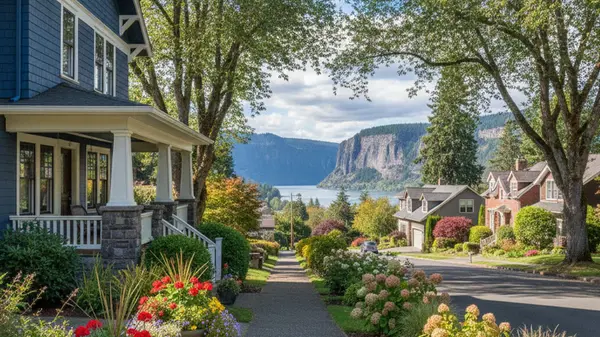
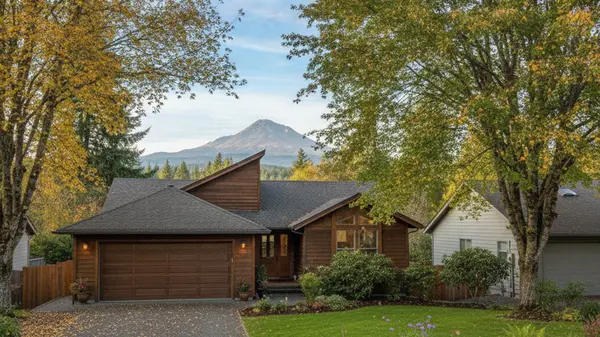
What to Expect From HOA Fees in Hood River County, OR
With a median sale price hovering around $721,500 and homes spending roughly 25 days on the market, buying in the Hood River County housing market means making decisions fast. Buyers locking down one of the 48 active listings tend to focus on the mortgage, property taxes, and insurance - and that's
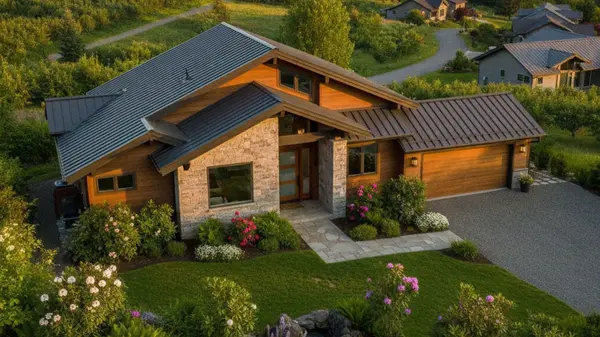
Seller Closing Costs in Oregon: What to Expect in Hood River County
The median home sale price in Hood River County, OR sits around $721,500 as of mid-2026, and homes are spending roughly 25 days on the market before going under contract. With only 48 available homes and 1.9 months of supply, residents looking to sell a home in Hood River County tend to carry real n
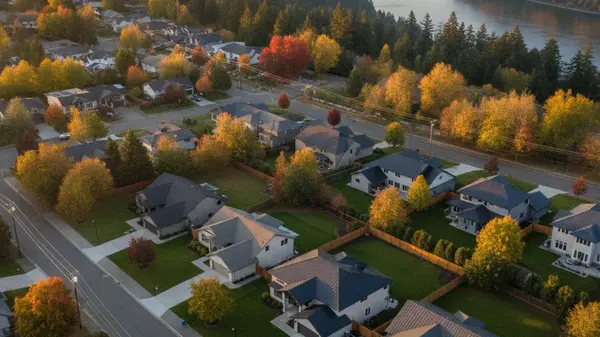
Exploring New Home Developments in Hood River County, OR for 2026
The median sale price in Hood River County, OR sits around $721,500 as of mid-2026, with homes selling in roughly 25 days. If you're focused on new construction, you're working within an even tighter slice of that market - limited inventory, custom and semi-custom builds, and sellers who often don't
GET MORE INFORMATION