The median sale price for a home in Hood River County, OR sits around $721,500 as of mid-2026. That puts this area on the higher end of the spectrum compared to most of the state, and if you're coming in with expectations shaped by other Oregon markets, the listings here will likely reset them fast.
Inventory is tight, the market moves quickly, and understanding what's actually driving prices before you start touring properties will save you a lot of frustration.
Current Home Prices in Hood River County
You'll need a healthy budget to compete here this summer. The median sale price is running at roughly $721,514, and homes are moving in an average of 25 days - that's not a lot of time to think things over. There are only about 48 homes listed for sale at any given moment, and a 1.9-month supply means sellers still hold the stronger hand in most negotiations. If you see something you like, being ready to move is not optional.
Median vs. Average Pricing
Real estate professionals lean on the median price rather than the average, and there's a good reason for that. The median is the exact middle of the market - half the homes sold for more, half sold for less. A handful of multi-million-dollar sales along the Columbia River Gorge can pull the average upward in a way that has nothing to do with what you'll actually be spending. The median of $721,514 is the number worth anchoring to.
Comparing Local and Statewide Averages
Hood River County consistently commands a premium over the broader Oregon average. Outdoor recreation access, the agricultural industry, and proximity to Portland all keep demand running steadily. If you're relocating from a cheaper rural county elsewhere in the state, expect some sticker shock - you will pay more here than in most inland or southern Oregon communities.
Pricing Differences Across Local Towns and Zip Codes
The county covers a real range of settings - small-city living, agricultural acreage, forested retreats. That variety means prices don't move in lockstep across the whole area, and where a property sits relative to downtown Hood River or the waterfront has a lot to do with what it costs.
Rural properties often come with larger lot sizes, which pushes prices in their own direction. The trade-off between walkability and space is one of the first decisions you'll want to work through.
How Location Impacts Cost
Homes within Hood River city limits tend to move fast and price accordingly, driven by proximity to schools, breweries, and the riverfront. Outlying communities like Odell, Parkdale, or Cascade Locks offer different housing styles and different price points. That said, don't assume rural automatically means affordable - properties with active orchards or extensive acreage will push well above the county median regardless of their distance from downtown.
Breaking Down Costs by Square Footage and Size
The sticker price alone doesn't tell you much when you're comparing a compact updated bungalow downtown to a larger older home out in the county. They might carry similar price tags but represent very different value propositions. Breaking cost down by square footage or bedroom count gives you an apples-to-apples way to evaluate listings that look nothing alike on the surface.
Cost Differences by Bedroom Count
Two-bedroom homes are typically the entry point here - for first-time buyers or anyone looking to downsize, these smaller footprints generally price below the $721,500 county median. Step up to three or four bedrooms, especially with an updated kitchen or mountain views, and you'll find yourself budgeting above that mark more often than not.
Building a Custom Home
Some buyers decide that competing for existing inventory isn't worth it and look at purchasing vacant land to build instead. Construction costs per square foot in Oregon vary depending on materials, labor, and site preparation. In Hood River County specifically, you'll also be factoring in permitting and utility connections, which add to the total. Talk to local builders early - they'll give you accurate estimates for your specific site and scope in a way no general estimate can.
Recent Market Trends and Inventory
Homes here are selling in an average of 25 days, so having your pre-approval letter in hand before you schedule a single tour isn't just good advice - it's a practical requirement. The sale-to-list ratio is running around 98.5%, which tells you that massive bidding wars aren't happening on every property, but sellers aren't giving much ground either.
Year-Over-Year Changes
Prices have stabilized compared to the sharp spikes of prior years. Mid-2026 data shows a slight 1.8% dip in the median sale price versus the same time last year, and about 12.5% of homes are selling above list price - a bit of breathing room that wasn't always there. Prices remain historically high, but the frantic pace of earlier years has eased somewhat.
Will Prices Drop Further?
With a 1.9-month supply of homes, demand is still outrunning available inventory. That makes a significant price correction unlikely unless a substantial wave of new listings comes to market. Buyers waiting for a major crash could find themselves on the sidelines for longer than they planned.
Budgeting for a Local Home Purchase
A $721,500 median price is a number, but your real question is what that translates to every month. Lenders will look at your debt-to-income ratio to figure out how much house you can actually qualify for, and the sticker price is only the starting point. Property taxes, homeowner's insurance, utilities, and maintenance all belong in that calculation too.
Down Payments and Monthly Costs
A traditional 20% down payment on a median-priced home here comes to roughly $144,300. Put down less than that and you'll be carrying private mortgage insurance in your monthly payment. Oregon property taxes are assessed at the county level and will show up in your escrow, so ask your lender for a full breakdown of estimated monthly costs based on current rates - not just principal and interest.
Applying the 3-3-3 Rule
The 3-3-3 rule is a framework many financial advisors point to for keeping a home purchase within a manageable range. It suggests pricing your home at no more than three times your gross annual income, having 20% saved for a down payment, setting aside 3% of the purchase price for closing costs, and keeping three months of mortgage payments in reserve. It's a strict standard, but it exists specifically to keep buyers from ending up house-poor.
Common Questions About Hood River County Real Estate
What is the current average home price in Hood River County, OR?
The median sale price is approximately $721,500 as of mid-2026. The median is a more reliable benchmark than a straight average here, since luxury properties along the Columbia River Gorge can pull that number in a misleading direction.
Are houses cheaper in rural areas like Odell or Parkdale compared to downtown Hood River?
It depends on the specific property and lot size. Some older rural homes do list below downtown prices, but large agricultural parcels and updated farmhouses in those outlying areas often command premium prices - sometimes well above the county median.
How does the cost of buying a home in Hood River County compare to nearby Wasco County or The Dalles?
Hood River County generally carries a higher median home price than neighboring Wasco County. Buyers looking for more accessible price points often expand their search east toward The Dalles.
What hidden costs or property taxes should I factor into my Hood River home buying budget?
Plan for closing costs in the 2% to 5% range of the loan amount, plus annual county property taxes, homeowner's insurance, and maintenance - particularly on older properties. None of those are optional line items.
Are real estate prices in Hood River County going up or down this year?
Prices have softened slightly. Recent data shows a 1.8% year-over-year decrease in the median sale price, though the market stays competitive given how little inventory is available.
What salary do I need to qualify for a mortgage on a median-priced home in Hood River?
The exact number depends on your down payment, interest rate, and existing debts. Using the 3-3-3 rule as a guide, a $721,500 home points toward a household income well above $200,000 to stay within a comfortable range.
FROM OUR BLOG
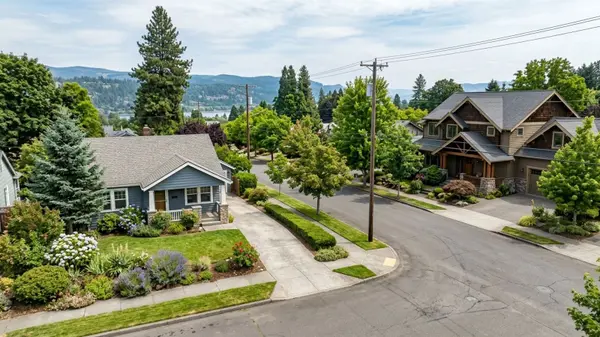
Hood River Heights vs Heights District: Local Real Estate Guide to Hood River County, OR
Buyers looking for the best neighborhoods in Hood River County often try to compare Hood River Heights vs Heights District, assuming they're two distinct neighborhoods. They're not. Both names point to the exact same area - locals just call it "The Heights" - an active residential and commercial hub
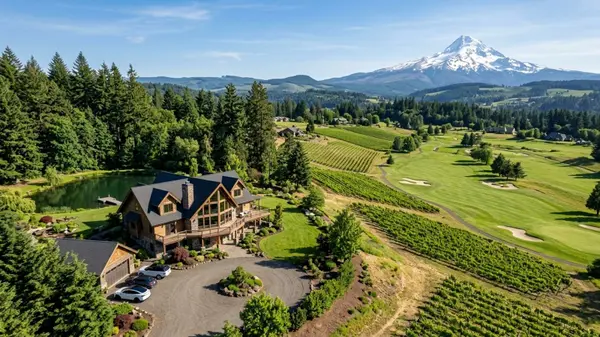
Exploring the Most Expensive Areas in Hood River County, OR
Hood River County carries some of the highest real estate premiums anywhere in the Columbia River Gorge. As of mid-2026, the countywide median sale price sits around $721,500 - and buyers looking at the high end will find a market shaped by acreage, orchard views, and access to outdoor recreation ac
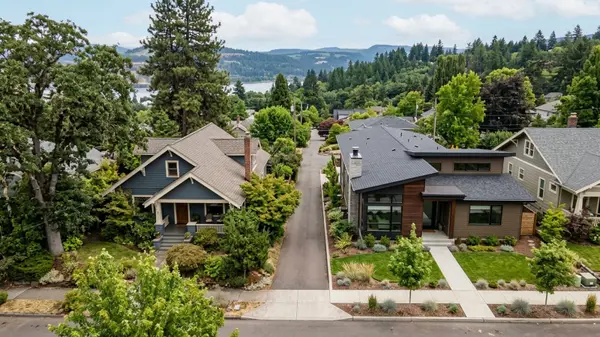
Real Estate and Living in the Eastside of Hood River County, OR
Hood River County sees median home prices hovering around $721,500, and the Eastside area reflects that broader market. What you'll find here is a mix of established neighborhoods and solid access to local trail systems, making it one of the best areas in Hood River County if you want to be close to
GET MORE INFORMATION