Buyers looking for the best neighborhoods in Hood River County often try to compare Hood River Heights vs Heights District, assuming they're two distinct neighborhoods. They're not. Both names point to the exact same area - locals just call it "The Heights" - an active residential and commercial hub sitting on the hill above downtown Hood River, connecting the city center to the agricultural expanses of the Hood River Valley.
Because the area functions as both a major transportation corridor and a residential neighborhood, knowing its layout matters. Whether a listing says Hood River Heights or Heights District, you're looking at the same community, governed by the same city planning documents, with the same local amenities.
Defining the Boundaries of The Heights
The Heights is centered on Oregon Route 281, which splits into the one-way couplet of 12th and 13th Streets - the primary artery for the neighborhood. According to the city's Heights Streetscape Plan, the main commercial core runs along OR 281 between May Street and Belmont Avenue.
Housing spreads out immediately east and west of that commercial strip, with single-family and multi-family homes sitting right next to the business core. There's no geographic division between Hood River Heights and the Heights District, so you can spend your energy figuring out how close you want to be to the restaurants and shops on 12th and 13th Streets rather than worrying about crossing an invisible boundary that doesn't exist.
Real Estate Prices and Market Trends
The Hood River County, OR market moves quickly. Homes are spending roughly 25 days on the market before going under contract, and as of mid-2026, the countywide median sale price sits around $721,500. Inventory is tight - only about 48 available homes across the county recently, which represents just under two months of supply.
Within The Heights specifically, pricing tracks closely with size and age. Three-bedroom homes in the neighborhood typically sell for between $700,000 and $820,000. Go up to four or five bedrooms and you're generally looking at $900,000 to $1,000,000. And since the Heights District and Hood River Heights are the same place, there's no median price difference between the two names - just the usual variation based on square footage and lot size.
Housing Styles and Zoning Rules
The architectural mix here is genuine rather than curated. Many streets are lined with 1950s bungalows on established lots with mature garden spaces. Scattered among them you'll find original Craftsman builds, along with newer traditional homes from the 2000s that borrow Craftsman details - multiple gables, overhanging eaves, that kind of thing.
Zoning reflects the area's dual identity as both neighborhood and commercial corridor. City planning documents reference the Heights Business District alongside the Central Business District, with sections where C-2 commercial zone density standards apply. A few blocks from that commercial core, residential lots are often zoned R2, which opens the door to different housing types, including duplexes.
Infrastructure and Daily Life
The 12th and 13th Street corridor is the spine of daily life here - restaurants, retail, professional offices, access to schools and parks. If you're running errands or commuting, you're using OR 281.
The ongoing Heights Streetscape Plan is aimed at improving how that commercial core works for pedestrians, cyclists, and drivers. Right now it's car-centric, and if you're seriously considering a home directly on 12th or 13th Street, factor traffic patterns into that decision. Properties set a few blocks east or west give you a quieter street presence without giving up easy access to the commercial strip - which, depending on your tolerance for noise, can be a meaningful difference.
Frequently Asked Questions
What is the exact boundary difference between the general Hood River Heights neighborhood and the official Heights District?
There is no boundary difference. Both terms refer to the same residential and commercial area in Hood River, locally known as "The Heights." The community is centered on OR 281 between downtown and the Hood River Valley.
Do properties located inside the official Hood River Heights District have different tax rates or urban renewal assessments?
Because Hood River Heights and the Heights District are the same location, there's no difference in tax rates based on those names. Property taxes and urban renewal assessments depend on the specific parcel's assessed value and its exact zoning designation - C-2 or R2, for example.
Does buying a home within the Heights District zoning boundary make it easier to get permits for a commercial business or ADU in Hood River County, OR?
Permitting depends on the specific lot's zoning, not the neighborhood name. Lots zoned C-2 near the commercial core have different allowable uses than residential R2 lots a few blocks away. Check the specific zoning designation of any property you're serious about directly with the city planning department.
How will the ongoing 12th and 13th Street redesign projects in the Heights District affect surrounding residential property values?
The Heights Streetscape Plan focuses on improving the commercial core along OR 281 between May Street and Belmont Avenue. Specific property value changes are unpredictable, but streetscape improvements generally aim to enhance pedestrian access and traffic flow, which can meaningfully alter the day-to-day experience for homes nearby.
Are there any specific parking or traffic drawbacks to buying a house directly inside the Heights District compared to the broader Hood River Heights area?
Since these areas are identical, traffic experience depends purely on proximity to the main roads. Homes directly on the car-centric 12th and 13th Streets see more traffic and parking demand than houses situated a few blocks east or west.
Is it better to buy in the quieter residential sections of the Heights or closer to the walkable commercial core?
That comes down to what you're willing to trade. Homes near the May Street to Belmont Avenue commercial stretch put restaurants and retail within steps. Properties further back give you less street traffic. Neither is objectively better - it depends on whether noise or convenience is the bigger factor for you.
FROM OUR BLOG
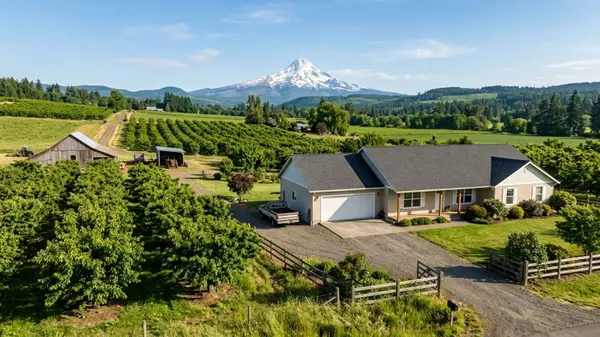
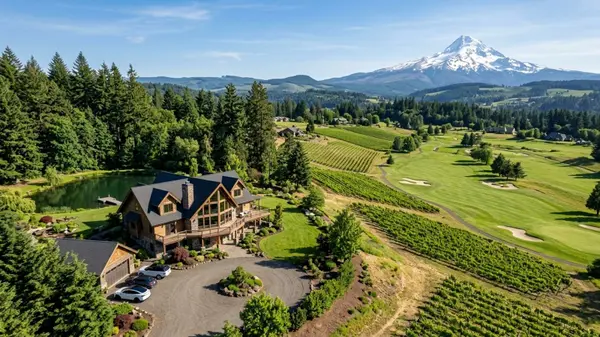
Exploring the Most Expensive Areas in Hood River County, OR
Hood River County carries some of the highest real estate premiums anywhere in the Columbia River Gorge. As of mid-2026, the countywide median sale price sits around $721,500 - and buyers looking at the high end will find a market shaped by acreage, orchard views, and access to outdoor recreation ac
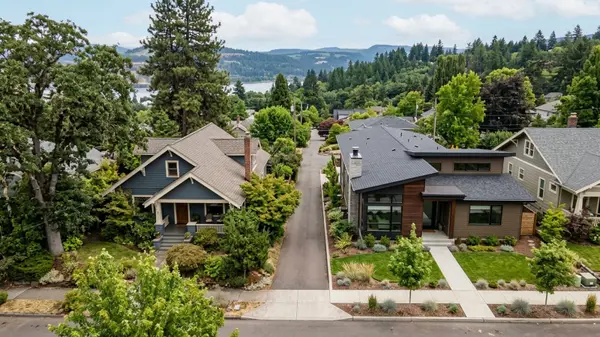
Real Estate and Living in the Eastside of Hood River County, OR
Hood River County sees median home prices hovering around $721,500, and the Eastside area reflects that broader market. What you'll find here is a mix of established neighborhoods and solid access to local trail systems, making it one of the best areas in Hood River County if you want to be close to
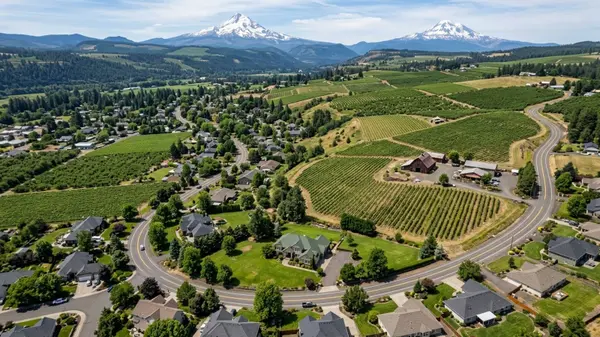
What to Expect When Buying a Home in Westside, Hood River County, OR
Hood River County, OR, is a place where agricultural land, mountain views, and residential neighborhoods all coexist in close quarters - sometimes on the same block. Buyers often compare the best neighborhoods in Hood River County to find the right balance of these features. The Westside sub-area si
GET MORE INFORMATION