Homes in Hood River County are sitting at a median sale price of roughly $864,600 right now, and they're moving in about 23 days on average. When you're competing in that kind of market, it's easy to focus on the offer and overlook something that will affect your budget and daily living in Hood River County: whether the home runs on city water or a private well. That's not a minor detail. It changes what you pay, what you're responsible for, and how you'll handle everything from a summer drought to a winter power outage.
Here's what you need to know before you start writing offers in Hood River County.
Comparing Municipal Water and Private Wells
The City of Hood River Public Works Department runs the municipal water system for properties within city limits. Step outside that boundary, out into the agricultural valleys and higher elevations, and private wells become the norm. These aren't interchangeable systems with a slight cost difference. They're fundamentally different ways of owning water.
With city water, the utility handles testing, treatment, and delivery to your meter. You get a bill. With a well, you own the infrastructure from the aquifer to your kitchen faucet, and everything that breaks is yours to fix.
At-a-Glance Differences
City water is metered and billed monthly. The utility is responsible for pressure and safety standards; you pay a base connection fee plus a usage charge.
Well water has no monthly usage bill, but you're paying to run the pump electrically, and all equipment repairs, water testing, and filtration fall on you. No middleman, but no safety net either.
Which Source is More Common Locally
Downtown Hood River and established subdivisions are almost entirely on the municipal grid. Move toward the farm ground and higher terrain and you'll find private wells are standard. If you're looking at anything outside city limits, confirm the water source before you fall in love with the property.
Defining Municipal Water and Private Well Systems
Municipal water is sourced, treated, and pushed through underground pipes by a centralized city facility. The Hood River Utilities department maintains those pipes up to your meter. Everything past the meter, the plumbing inside your property line belongs to you.
A private well taps into groundwater aquifers below the property. An electric pump pulls water up through a casing into a pressure tank inside the home. The homeowner owns the whole system, top to bottom.
Clarifying the Municipal Well Confusion
You'll occasionally hear someone say "city water well" and wonder what they mean. It usually refers to a large-scale municipal well the city uses to supply its public grid, not a private well on the individual property. If a home connects to that municipal well system, you're still a city water customer. You get a utility bill, and you never touch the well itself.
Common Types of Private Wells
Drilled wells are the standard for modern residential properties. They are built with heavy machinery, cased continuously to block surface contamination, and reaching hundreds of feet down to access stable aquifers. Older properties, particularly historic farm parcels, may have driven or dug wells, which are shallower and more vulnerable to drought and surface runoff. If you're buying something with history, the well type and depth deserve a close look.
How to Check Your Property's Water Source
Look for a water meter near the street, or ask for a recent utility bill. A monthly payment to the City of Hood River means the home is on the municipal grid.
Well properties will have a wellhead pipe visible somewhere in the yard, plus a pressure tank in the basement, garage, or utility closet. Both are usually easy to spot once you know what you're looking for.
Breaking Down Local Water Costs
Budgeting for water is a key factor in the cost of living in Hood River County, and it looks completely different depending on your system. City users pay predictable monthly rates tied to meter size and usage. Well owners pay nothing for the water itself but carry the financial weight of maintaining the equipment that delivers it.
The City of Hood River recently updated its utility fee structure, so there's a clear picture of what municipal service costs.
Typical Municipal Water Bills in Hood River
Starting July 1, 2026, the average residential city water rate is $54.45 per month, and the average sewer rate is $70.56. The base fee for a standard 3/4-inch residential meter runs $42.69 per month. Use more than 5,000 gallons and a commodity charge of $3.38 per 1,000 gallons kicks in. Your combined water and sewer bill will move around a bit depending on how hard you're running irrigation in summer.
Ongoing Well Ownership Expenses
No monthly water bill, but you're paying electricity to run the pump. Budget for annual water testing. Cost varies by lab and the specific contaminants you're checking for. Longer term, expect to replace the pump or pressure tank every ten to fifteen years. Setting aside a few hundred dollars a year for that eventuality is just good practice.
What Increases Your Monthly Usage
Summer irrigation is the main driver. Watering a large lawn or filling a pool pushes you well past that 5,000-gallon threshold, and those $3.38 per 1,000-gallon commodity charges add up quickly. Leaky toilets and dripping faucets can waste thousands of gallons a month without you noticing. A sudden spike in your utility bill is usually the first sign something's wrong.
Paying for Well Water and Septic Systems
Homes on private wells almost always use private septic systems, which means no city sewer bill at all. What you will pay is septic pumping every three to five years. That periodic cost is what replaces the $70.56 monthly sewer charge that city residents pay every month.
Water Quality and Safety Standards
Municipal systems are tested daily and closely monitored against federal safety standards. That oversight is built into what you're paying for. Private wells sit entirely outside those regulations. The quality of your water is your problem to manage.
Drinking Municipal Water
The Hood River Public Works Department treats and monitors city water before it reaches your tap, and the city publishes an annual water quality report with detailed testing results. Some residents put in refrigerator or under-sink filters for taste, but the water is safe to drink straight from the tap without any additional treatment.
Testing and Treating Well Water
Groundwater quality shifts with surrounding conditions and agricultural runoff. Test annually for bacteria, nitrates, and whatever contaminants are common in your specific area. If a test turns up a problem, you'll need to install the right treatment equipment: ultraviolet purifiers for bacteria, reverse osmosis for specific minerals, depending on what you're dealing with.
Effects on Skin and Appliances
Well water tends to carry higher levels of calcium and magnesium, which is hard water, and it leaves mineral scale on fixtures, reduces water heater efficiency, and can dry out skin. Water softeners handle most of that. City water is typically softer and less prone to significant mineral buildup.
The Upside and Downside of a Private Well
Rural buyers often genuinely value the independence a well provides. You're not subject to municipal rate increases or city-wide usage restrictions during dry summers. That's real. But that independence also means there's no one else to call when something goes wrong.
Drawbacks to Consider
The well pump runs on electricity. No power means no water pressure. Full stop. If you're in an area with winter storm outages, a backup generator isn't optional, it's necessary. Equipment failures are also entirely your financial responsibility. A pump that dies on a holiday weekend means finding an emergency contractor at emergency rates.
Benefits of Independent Water Supply
Once the system is in and running, the water itself costs nothing. That adds up over the life of a home. Well water also arrives without the chlorine and fluoride treatments used in municipal systems, and a lot of people simply prefer the taste.
Converting Between Water Systems
If your property sits near the edge of the city limits, switching from a private well to municipal service may be possible, but it's not a casual project. You'll need to work with the City of Hood River Public Works Department, meet state requirements, and budget for excavation, plumbing modifications, and permits.
How to Connect to the Municipal Grid
Start by confirming with the city that a water main runs adjacent to your property. If it does, you'll hire a contractor to trench a new water line from the street to the house. Once you're connected, Oregon state law requires that you properly manage the old well. Under OAR Chapter 690, you're responsible for either maintaining the well within required setbacks or officially abandoning and plugging it.
Estimating Connection Fees
The city charges a system development charge (SDC) plus a connection fee based on meter size. Most residential properties need a 3/4-inch or 1-inch meter. These fees are detailed in the city's annual Consolidated Fee Schedule. Contact the Utility Billing Department directly for a quote on your specific property before committing to a conversion.
Keeping Both Systems Active
Some homeowners connect the house to city water and keep the private well running for outdoor irrigation. You get safe, treated drinking water inside while avoiding high commodity charges for lawn watering. The requirement is proper backflow prevention between the two systems. The city mandates it to protect the public supply from potential well contamination.
What Buyers Should Know About Well Properties
Buying a home with a well takes a bit more due diligence than buying one on the city grid. You need to know the system is producing adequately and that the equipment isn't about to fail on you.
Standard home inspections don't always cover well mechanics. Hire a specialized well contractor to evaluate the system during your inspection contingency period. That's not optional, it's just part of buying a well property responsibly.
Inspections to Schedule Before Closing
Request a well flow test to measure gallons per minute. A low-producing well may not keep pace with a large household's daily needs. Require a water quality test as well: bacteria, nitrates, heavy metals. If there's an issue, you want to know before closing so you can negotiate filtration costs with the seller, not discover it after you move in.
Questions to Ask the Seller
Ask for the well log: depth, casing type, original construction date. Request records of any pump replacements or maintenance work. And check the well permit status. In Oregon, drilling or using a well requires a permit from the State Department of Geology and Mineral Industries. Confirming that paperwork exists protects you from compliance problems down the road.
Frequently Asked Questions
Is it better to have a well or be on city water in Hood River County?
It depends on what you'd rather manage. City water is hands-off and treated, but you pay a monthly fee. A private well eliminates that bill but puts all the maintenance and testing on you.
Is it cheaper to use well water or city water in Hood River County, OR?
Month-to-month, well water wins. There's no usage bill. City residents pay an average of $54.45 for water and $70.56 for sewer. Well owners do need to budget for electricity to run the pump and for eventual equipment replacements, so the savings aren't quite as simple as they look on paper.
What is the downside of having well water in Hood River County?
You lose water pressure when the power goes out, unless you have a backup generator. You're also fully responsible for all equipment repairs and routine water quality testing. There's no utility department absorbing those costs for you.
How much does it cost to switch a property from well to city water in Hood River County?
It varies based on your required meter size, typically 3/4-inch or 1-inch for residential properties. You'll pay a system development charge (SDC) plus a connection fee. The city's Consolidated Fee Schedule has the details, and the Utility Billing Department can give you a quote specific to your property.
Can a property in Hood River County have both a private well and city water?
Yes. A common setup is city water for the house and a private well for outdoor irrigation. You'll need proper backflow prevention installed to keep well water from cross-contaminating the municipal supply.
What water quality tests should I request before buying a home with a well in Hood River?
Test for bacteria, nitrates, and local mineral contaminants. Request a flow test too, to confirm the well produces enough gallons per minute to support your household's daily needs.
Is Hood River County considered a safe area for buyers?
Buyers evaluating safety in Hood River County should consider both general security and property-specific risks. While municipal water systems are monitored for public health, rural well owners must take personal responsibility for their own water safety and winter storm preparedness.
What types of employment support the local housing market?
The job market in Hood River County includes roles in agriculture, municipal utilities, and specialized trades. This local workforce is especially important for rural homeowners who rely on professional contractors for well testing, pump replacements, and emergency repairs.
FROM OUR BLOG
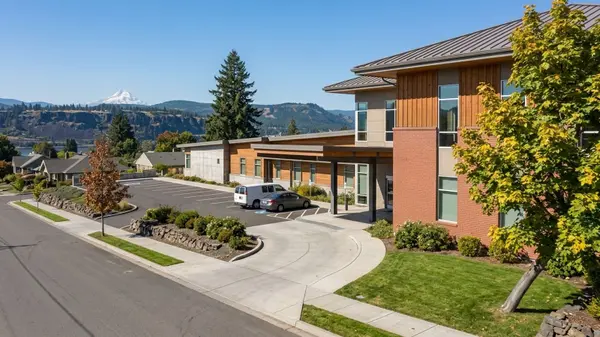
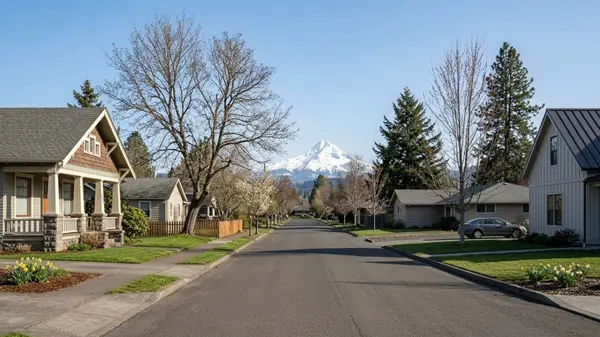
Understanding Weather Patterns in Hood River County, OR
Hood River County, OR runs from the banks of the Columbia River all the way up to the peak of Mount Hood. That kind of elevation change, from river level to alpine summit, creates genuinely distinct microclimates across a relatively short stretch of ground. Most buyers moving here want to understand
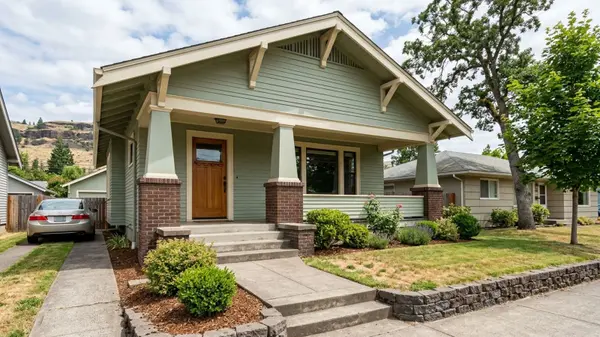
Real Estate Guide: Hood River County, OR vs Wasco County, OR
If you're searching along I-84, you've probably already started weighing the pros and cons of living in Hood River County, OR vs Wasco County, OR, and for good reason. Both counties sit along the Columbia River Gorge with direct access to water recreation and the highway corridor, but they're not in
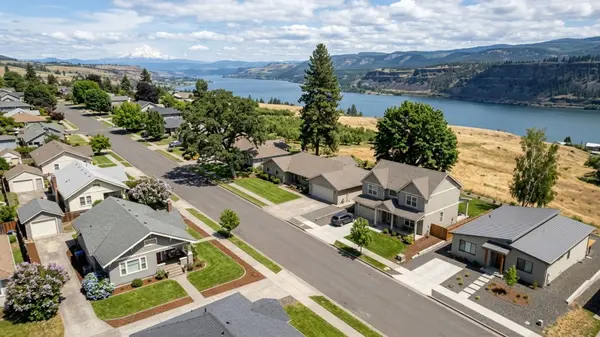
Buying a Home in Hood River County, OR vs Oregon Statewide
Buyers looking at the Pacific Northwest often weigh specific regions against state averages to understand market premiums. A common comparison is Hood River County, OR vs Oregon as a whole, especially for those drawn to the Columbia River Gorge. Understanding how local figures diverge from statewide
GET MORE INFORMATION