Hood River County, OR sits roughly 60 miles east of Portland along the Columbia River Gorge. Known as the windsurfing capital of the world, this area draws buyers looking for immediate access to outdoor sports and a temperate climate. The county borders Washington state to the north and stretches down to the slopes of Mount Hood in the south.
Housing prices push the overall cost of living in Hood River County, OR above both state and national averages. While utilities and groceries align closely with the rest of the Pacific Northwest, real estate requires a larger share of a household budget. Buyers should prepare for a market where inventory stays tight across the county.
What to Expect from Local Living Expenses
The overall cost of living index in Hood River County sits about 15% to 20% higher than the United States average. This premium stems almost entirely from the cost of real estate. Other spending categories like healthcare, transportation, and miscellaneous goods track much closer to the national baseline.
Oregon does not have a state sales tax, which provides some relief on daily retail purchases and large appliances. Residents pay the sticker price at the register, helping to offset some of the higher housing expenses. Income taxes in Oregon do run higher than in many other states, a factor remote workers should include in their salary calculations.
Washington state sits just across the Columbia River and levies no state income tax. This creates a distinct dynamic for residents calculating their net income and planning their budgets. Oregon relies on income tax rather than sales tax, so residents working in Hood River County, OR should consult a tax professional to understand their exact take-home pay.
Housing Prices and Monthly Rent
The real estate market dictates the baseline cost of living in Hood River County, OR. Geography limits new construction, as the county is constrained by the Columbia River to the north and Mount Hood to the south. This limited buildable land keeps housing inventory low and sustains higher property values year-round.
Buyers will find that prices vary depending on proximity to the downtown core and the waterfront. Properties with direct views of the Columbia River Gorge or Mount Hood command the highest premiums. Moving away from the city center toward the agricultural areas offers different property types, often with larger lot sizes.
Single-Family Homes and Condos
Median home prices in Hood River County range from $600,000 to $725,000, depending on the specific zip code and property condition. Single-family homes make up the majority of the market, with condos offering a slightly lower entry point for buyers. Condominium buyers should factor monthly homeowners association dues into their debt-to-income ratios.
Inventory remains tight in smaller communities like Cascade Locks and Parkdale. Cascade Locks offers faster access to Portland, which appeals to hybrid workers who commute a few days a week. Parkdale provides acreage for small agricultural pursuits, sitting higher in elevation near the base of Mount Hood.
Properties outside the city limits often rely on private wells and septic systems rather than municipal services. Buyers should budget for specialized inspections on these rural systems before closing. Upkeep for rural infrastructure adds a layer of maintenance costs that city residents do not face.
The Rental Market Overview
Renters face a competitive market with limited apartment complexes and single-family rental homes. A standard one-bedroom apartment in the county averages roughly $1,500 per month. Two-bedroom units typically rent for around $1,800, though newer builds near the downtown core can exceed these averages.
Seasonal tourism impacts the availability of long-term rentals. Many property owners convert secondary homes into short-term vacation rentals during the peak summer windsurfing and winter skiing seasons. Renters should start their housing search well before their planned move-in date to secure a standard 12-month lease.
Property Tax Rates and Assessments
Oregon property taxes operate under a specific assessment system that caps how much the taxable value of a home can grow each year. The median effective property tax rate in Hood River County is around 0.56%. This rate sits lower than the national average, providing some balance to the higher purchase prices.
Because home values in the area are elevated, the actual dollar amount residents pay remains substantial. The median annual property tax bill in the county is roughly $3,400. Buyers should verify the current assessed value of any property they plan to purchase, as this number determines the annual tax obligation.
The assessed value of a home in Oregon often sits lower than its open-market purchase price. This system limits dramatic spikes in annual tax bills when property values rise quickly. Homeowners pay these taxes in November, though most mortgage lenders roll the annual cost into the monthly payment through an escrow account.
Buyers must pay their prorated share of the annual tax bill at closing. These funds reimburse the seller for any taxes already paid for the remainder of the calendar year.
Groceries, Utilities, and Commute Expenses
Daily spending in Hood River County mirrors the broader Pacific Northwest region. Residents shop at local grocery stores, farmers markets, and larger regional chains in nearby The Dalles, OR. Grocery prices run slightly higher than the national average due to transportation costs into the Gorge.
Utility costs fluctuate with the seasons, driven by winter heating and summer cooling needs. The temperate climate keeps extreme weather at bay, but residents still rely on electric or gas heating during the colder months. Water and sewer rates remain consistent with neighboring counties.
Residents frequently cross the Hood River-White Salmon Interstate Bridge to access businesses in Washington. This toll bridge requires a fee for each crossing, which commuters should factor into their weekly transit budget. Transportation costs depend entirely on a resident's work location and daily driving habits.
-
Commuting to Portland: Driving from Hood River to Portland via I-84 covers approximately 60 miles and takes about one hour each way. Commuters should budget for regular fuel expenses and routine vehicle maintenance.
-
Local Transit: The Columbia Gorge Express provides public transit options connecting Hood River to Portland, Cascade Locks, and The Dalles. This service offers an alternative to daily driving.
-
Home Utilities: A standard monthly utility bill covering electricity, water, and garbage collection averages between $150 and $250. Internet service adds another $60 to $80 per month.
Healthcare and Outdoor Recreation
Providence Hood River Memorial Hospital serves as the primary medical facility for the county. This hospital provides emergency care, specialized treatments, and general practice clinics. Healthcare costs align closely with the national average, and residents have access to additional specialists in the Portland metro area.
Recreation forms a core part of the local lifestyle, and accessing these amenities comes with varying price tags. Waterfront Park offers free public access to the Columbia River for swimming, picnicking, and launching paddleboards. Kiteboarding and windsurfing require upfront equipment investments, but daily access to the river remains free or low-cost.
Winter sports enthusiasts frequent Mount Hood for skiing and snowboarding. Skiers and snowboarders typically purchase season passes for Mount Hood Meadows or Timberline Lodge. Season passes, daily lift tickets, and winter weather tires add to the annual recreation budget.
Residents also spend time mountain biking and hiking the extensive trail networks throughout the canyon and surrounding national forests. The United States Forest Service requires recreation passes for parking at many of these trailheads. An annual Northwest Forest Pass costs $30 and covers parking at most local hiking spots.
The Local Economy and Major Employers
Agriculture anchors a large segment of the local economy. The Hood River Valley is a major producer of pears, apples, and cherries. The famous Fruit Loop—a 35-mile scenic drive—features numerous orchards, farm stands, and wineries that generate steady seasonal employment and tourism revenue.
Tourism and outdoor recreation support a wide range of retail, hospitality, and guide service jobs. The county draws visitors year-round for wind sports, kiteboarding, and mountain biking. Local breweries, cideries, and restaurants rely on this steady influx of visitors to sustain operations.
Public sector and healthcare roles provide year-round stability in the job market. The Hood River County School District and Providence Hood River Memorial Hospital stand as two of the largest employers in the area. These institutions offer competitive wages that align with the local cost of living.
Upgraded internet infrastructure has made the county a viable option for remote tech workers. This demographic shift continues to shape local retail and dining offerings. Remote professionals earn Portland or national salaries while living full-time in the Gorge.
Frequently Asked Questions
What is the median home price in Hood River County, OR?
Median home prices generally range from $600,000 to $725,000, depending on the neighborhood and property type. Homes closer to the Columbia River with unobstructed views often sell well above this median. Buyers should monitor active listings closely due to persistent low inventory.
How much are property taxes in Hood River County, OR?
The median effective property tax rate is approximately 0.56%. For a typical home in the area, this translates to an annual tax bill of roughly $3,400. Oregon's assessment limits help keep year-over-year tax increases predictable for homeowners.
What are the biggest industries in Hood River County, OR?
Agriculture, tourism, and healthcare drive the local job market. The region produces large volumes of tree fruit, while windsurfing and skiing attract year-round visitors. The local school district and the regional hospital employ a large percentage of the year-round workforce.
FROM OUR BLOG
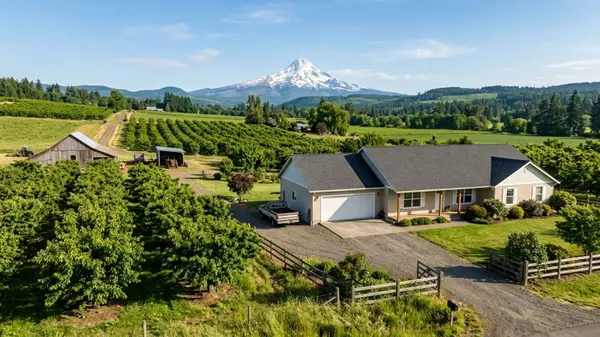
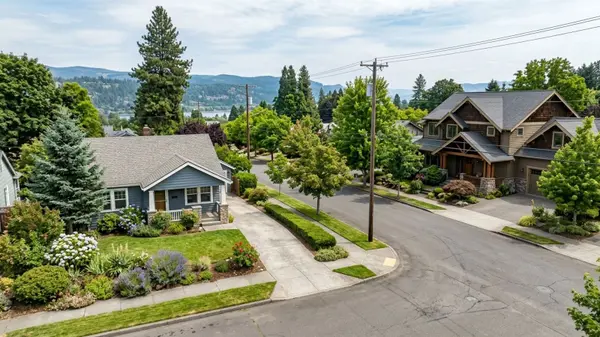
Hood River Heights vs Heights District: Local Real Estate Guide to Hood River County, OR
Buyers looking for the best neighborhoods in Hood River County often try to compare Hood River Heights vs Heights District, assuming they're two distinct neighborhoods. They're not. Both names point to the exact same area - locals just call it "The Heights" - an active residential and commercial hub
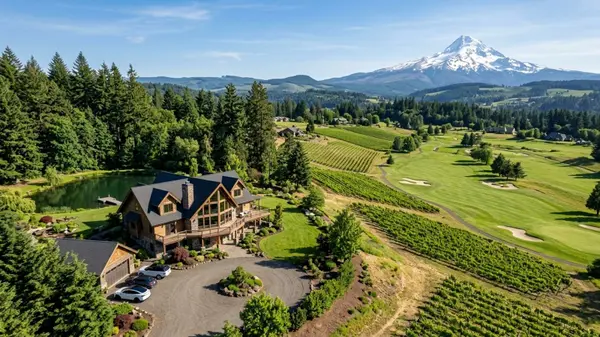
Exploring the Most Expensive Areas in Hood River County, OR
Hood River County carries some of the highest real estate premiums anywhere in the Columbia River Gorge. As of mid-2026, the countywide median sale price sits around $721,500 - and buyers looking at the high end will find a market shaped by acreage, orchard views, and access to outdoor recreation ac
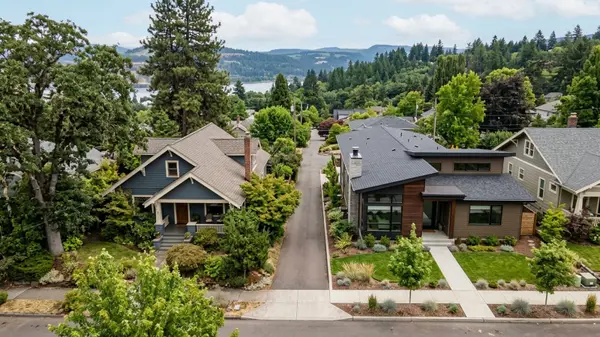
Real Estate and Living in the Eastside of Hood River County, OR
Hood River County sees median home prices hovering around $721,500, and the Eastside area reflects that broader market. What you'll find here is a mix of established neighborhoods and solid access to local trail systems, making it one of the best areas in Hood River County if you want to be close to
GET MORE INFORMATION