The Columbia River forms the physical border between Oregon and Washington, creating two distinct housing markets for buyers looking outside the Portland metropolitan area. Those relocating to the Pacific Northwest often find themselves comparing Hood River, OR vs Vancouver, WA. Each location offers a completely different daily lifestyle.
Hood River sits about 60 miles east in the Columbia River Gorge, functioning as a smaller town centered around outdoor recreation. Vancouver operates as a large city directly across the Interstate 5 and Interstate 205 bridges from Portland. The choice between the two locations comes down to commute logistics, state tax structures, and home prices.
Both regions provide access to the evergreen forests and waterways that define the Pacific Northwest. The decision ultimately hinges on whether a buyer wants a standalone small town or a major suburb. Understanding the local nuances prevents costly relocation mistakes.
Financial Differences Across the Columbia River
Washington residents pay no state income tax, while Oregon charges between 4.75% and 9.9% depending on household earnings. This creates a clear financial divide for high earners and remote workers trying to maximize their take-home pay. Living on the Washington side of the river keeps more money in your monthly budget.
Oregon counters this income tax with a 0% sales tax on retail purchases. Shoppers in Clark County, WA, pay between 6.5% and 10.4% in local sales tax on everything from clothing to vehicles. Buyers should weigh their annual income against their expected retail spending to see which tax structure works in their favor.
Property tax rates remain relatively similar across both municipalities. Oregon homeowners pay an effective rate around 0.83%, and Washington homeowners pay about 0.84%. Everyday expenses like groceries and utility rates track closely with the broader Pacific Northwest averages in both locations.
Retirees looking at both states will find different rules regarding pension and Social Security income. Washington does not tax retirement income since it lacks a general income tax. Oregon exempts Social Security benefits but does tax most other forms of retirement income.
Vehicle registration fees also differ across the state line. Washington drivers pay fees based partly on vehicle weight and regional transit taxes. Oregon charges a standard registration fee, but the state implements an additional title fee when purchasing a new car.
Real Estate Trends and Home Prices
The median home price in Hood River, OR sits between $712,000 and $725,000 as of mid-2026. This premium reflects the limited land available for development within the protected boundaries of the Columbia River Gorge. Buyers will find older properties near the town center and custom homes built into the surrounding hills.
Vancouver, WA offers a lower entry point, with median prices ranging from $489,000 to $535,000. The Clark County market features a high volume of new subdivisions and suburban planned communities. Buyers looking for modern construction and larger lots will find more options on the Washington side of the river.
Lot sizes vary drastically between the two locations. Hood River properties often feature smaller, sloped lots due to the area's steep topography. Vancouver developments typically offer flat, traditional suburban yards with room for fencing and landscaping.
Homeowners associations are common in Vancouver's newer suburban developments. Buyers should factor monthly HOA dues into their housing budget when looking at Clark County properties. Hood River has fewer HOA communities, as much of the housing stock consists of standalone lots built decades ago.
The rental market follows a similar pricing structure across both areas. Renters moving to Hood River face higher monthly rates due to the demand for seasonal housing and a shortage of large apartment complexes. Vancouver provides a much larger inventory of multi-family housing and single-family rentals.
Getting to Portland: Commute Times and Routes
Driving from downtown Vancouver to downtown Portland takes about 14 minutes in clear conditions, according to Washington State Department of Transportation data. Commuters primarily use the Interstate 5 or Interstate 205 bridges to cross the river. Both routes experience heavy volume during the standard morning and evening rushes.
Drivers leaving Vancouver during peak hours should plan for trips taking 25 to 30 minutes. Vancouver also offers express bus routes into Portland for those who prefer public transit over driving. A light rail expansion into Vancouver is currently in the planning stages to alleviate future bridge congestion.
Hood River sits about 60 miles east of Portland along Interstate 84. A typical drive takes 60 to 75 minutes when weather conditions are clear. The highway follows the river, offering a scenic but lengthy daily drive for those who work in the city.
Winter months add unpredictability to the Gorge route. Ice, snow, or traffic delays can push the Hood River commute well past 90 minutes. Commuters without a vehicle can use the Columbia Gorge Express bus service to reach the Portland metro area.
Remote work has shifted how many buyers view this commute. Professionals who only need to visit a Portland office once or twice a week often find the 60-mile drive from Hood River acceptable. Daily commuters almost exclusively prefer the closer proximity of Vancouver.
Parking in downtown Portland adds another logistical layer for commuters. Monthly parking passes in the city center cost hundreds of dollars. Many Vancouver residents avoid this expense by utilizing park-and-ride lots connected to the regional transit system.
Outdoor Access and Local Amenities
Hood River provides immediate access to Mount Hood and the extensive hiking trails of the Columbia River Gorge. The town is globally recognized for windsurfing and kiteboarding on the Columbia River. Local trail networks like Post Canyon offer miles of mountain biking routes just minutes from downtown.
Vancouver residents utilize the newly developed Vancouver Waterfront, which features restaurants, tasting rooms, and walking paths along the river. The city also maintains the Fort Vancouver National Historic Site and the Columbia River Renaissance Trail. Dozens of local municipal parks provide green space throughout the suburban neighborhoods.
Winter sports drive a large portion of the local Hood River economy. Mount Hood Meadows and Timberline Lodge sit about an hour south of the town. Vancouver residents must drive closer to 90 minutes to reach these same ski resorts.
Boating enthusiasts will find marinas and launch points in both cities. The Port of Hood River operates a large marina with direct access to the Columbia River wind currents. Vancouver offers boat launches that cater more toward motorized watercraft and fishing vessels.
Downtown Hood River features a concentrated arts scene, local breweries, and independent dining options. The grid layout encourages walking between storefronts along Oak Street. Parking in the commercial center requires payment, and spots fill up quickly during the summer tourist season.
Weather patterns differ slightly between the two locations. Hood River generally experiences more wind and clearer skies during the winter months. Vancouver shares the standard rain patterns of the Portland metro area, with overcast skies dominating from November through April.
Public Education and School Districts
The Hood River County School District reported an 89.6% graduation rate for the 2025 academic year. The district operates one primary high school serving the entire town and surrounding rural areas. This creates a centralized community focus around local athletic events and school programs.
Vancouver splits its public education across two main entities: Vancouver Public Schools and Evergreen Public Schools. These districts serve tens of thousands of students across multiple high school campuses. The sheer size of the districts allows for a wide variety of extracurricular activities and specialized electives.
Students in Vancouver Public Schools have access to specialized magnet programs. These include dedicated tracks for science, technology, engineering, mathematics, and the arts. Buyers should verify which district a specific Vancouver home falls into before making an offer.
Both regions offer private education alternatives alongside their public school systems. Vancouver hosts several large private academies serving students from kindergarten through high school. Hood River maintains a smaller selection of private schools, reflecting its lower overall population.
Making Your Relocation Choice
Buyers who prioritize immediate access to natural landscapes often gravitate toward Hood River. The smaller town layout appeals to those who want outdoor recreation right outside their door and do not mind paying a premium for housing. It remains a top choice for buyers focused on lifestyle and daily access to the Gorge.
Vancouver attracts buyers focused on lower housing costs and shorter commutes to Portland. The absence of a state income tax provides an additional financial incentive for professionals working in Washington. It serves as a practical option for those who want suburban amenities while remaining close to a major urban center.
Frequently Asked Questions
Is it cheaper to live in Hood River or Vancouver?
Vancouver generally offers a lower overall cost of living. Median home prices run about $200,000 less than those in Hood River, and Washington residents keep more of their paychecks without a state income tax. However, shoppers in Vancouver do pay local sales tax on most retail purchases.
What is the time change from Hood River, OR to Vancouver, WA?
There is no time difference between the two cities. Both municipalities operate in the Pacific Time Zone. They observe Daylight Saving Time on the exact same schedule throughout the year.
Is Hood River, Oregon expensive?
Yes, housing costs in this Gorge town sit well above state averages. A limited supply of buildable land and high demand from outdoor enthusiasts keep property values elevated. Buyers will find much lower prices in nearby towns like The Dalles, OR.
FROM OUR BLOG
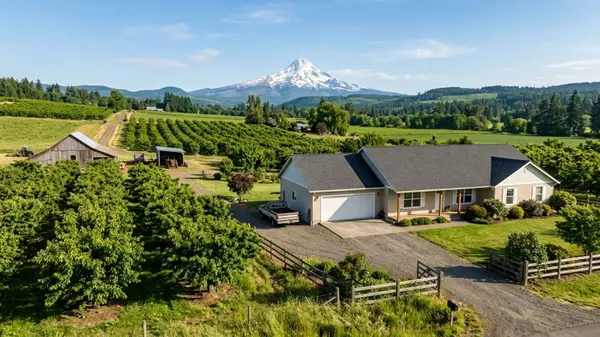
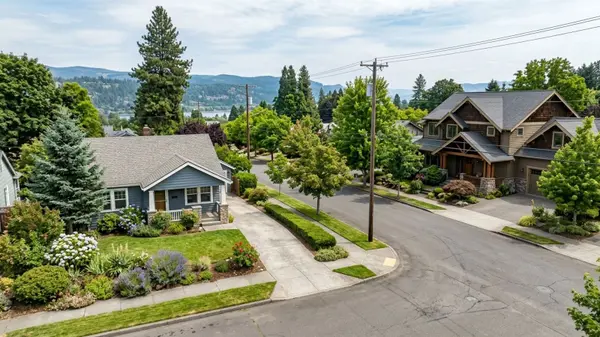
Hood River Heights vs Heights District: Local Real Estate Guide to Hood River County, OR
Buyers looking for the best neighborhoods in Hood River County often try to compare Hood River Heights vs Heights District, assuming they're two distinct neighborhoods. They're not. Both names point to the exact same area - locals just call it "The Heights" - an active residential and commercial hub
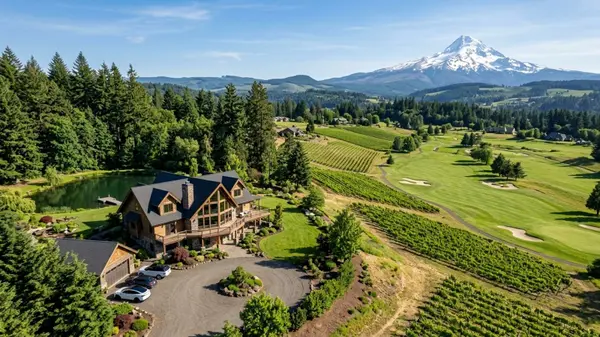
Exploring the Most Expensive Areas in Hood River County, OR
Hood River County carries some of the highest real estate premiums anywhere in the Columbia River Gorge. As of mid-2026, the countywide median sale price sits around $721,500 - and buyers looking at the high end will find a market shaped by acreage, orchard views, and access to outdoor recreation ac
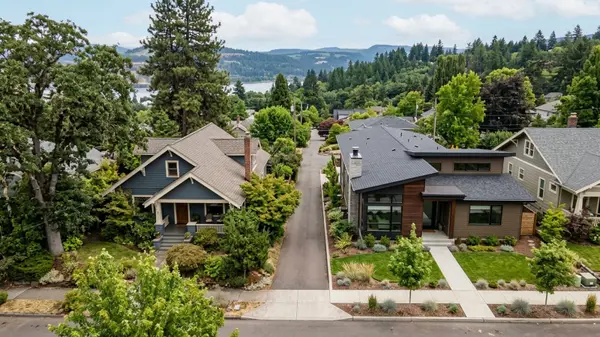
Real Estate and Living in the Eastside of Hood River County, OR
Hood River County sees median home prices hovering around $721,500, and the Eastside area reflects that broader market. What you'll find here is a mix of established neighborhoods and solid access to local trail systems, making it one of the best areas in Hood River County if you want to be close to
GET MORE INFORMATION