The median home price in Portland, OR sits between $508,000 and $545,000 as of mid-2026. Buyers looking 60 miles east along Interstate 84 will find a different market, with median prices in Hood River, OR ranging from $715,000 to $799,000.
Choosing between these two Pacific Northwest locations comes down to housing density, land availability, and daily commute requirements. A downtown condo provides immediate access to light rail transit, while an orchard property in the Columbia River Gorge offers acreage with firm building limits.
Home Prices and Property Taxes in 2026
Portland, OR offers lower entry prices compared to the smaller inventory found to the east. Homes in Multnomah County, OR spend an average of 35 days on the market, with consistent inventory across townhome and single-family categories.
Hood River, OR homes list higher than the Portland metro average due to limited land availability and high demand for outdoor recreation access. The Columbia River Gorge National Scenic Area rules prevent rapid suburban expansion, keeping inventory tight and pushing average days on market lower during the summer months.
How Property Taxes Compare
Buyers should factor county assessments into their monthly payment calculations. Portland's median effective property tax rate is 1.08%, applied across Multnomah County, OR.
Hood River County charges a lower median effective property tax rate of 0.57%. This lower percentage helps offset the higher purchase prices found in the Gorge, altering the long-term cost of ownership.
Housing Styles and Lot Sizes
Portland, OR offers high-density living options, including downtown condos, attached townhomes, and historic single-family houses on standard city lots. Buyers can find new construction infill projects alongside century-old Craftsman homes throughout the city's four quadrants.
The housing supply shifts dramatically 60 miles east. Hood River, OR features single-family homes with acreage, properties bordering local farms, and established orchard estates.
Building Restrictions in the Gorge
New construction in Hood River, OR faces binding federal and state oversight. The Columbia River Gorge National Scenic Area enforces land-use rules that limit new subdivisions and protect existing agricultural zoning.
These regulations mean buyers looking for brand-new developments will find fewer options. Purchasing an existing home or renovating an older property is the standard path to homeownership in this area.
Monthly Expenses Beyond the Mortgage
Oregon does not charge a state sales tax, providing a baseline savings for residents in both cities. However, daily household budgets vary based on utility providers, food costs, and local fees.
Evaluating the Hood River, OR vs Portland, OR cost of living requires looking at specific monthly bills. Buyers should review these standard expenses before making an offer:
-
Utilities: Portland, OR residents pay standard metropolitan rates for water and sewer, while Hood River, OR properties on larger lots may rely on well water and private septic systems that require maintenance.
-
Internet Access: Urban buyers have multiple fiber and broadband providers competing for service. Rural properties in the Gorge often depend on satellite or single-provider broadband, which can cost more per month.
-
Groceries: Both locations offer farm-to-table markets and local produce. Portland, OR features large discount grocery chains, whereas Hood River, OR relies on regional supermarkets and seasonal farm stands that can alter weekly food budgets.
Transportation costs also differ between the two regions. Urban residents can eliminate car ownership entirely, while rural buyers should budget for fuel and vehicle maintenance.
Transportation and Daily Commutes
Portland, OR operates an extensive public transportation network, including TriMet buses and the MAX Light Rail system. The transit agency implemented service reductions earlier in 2026, altering specific bus routes and adjusting frequencies on the MAX Green Line.
Commuting from Hood River, OR to downtown Portland, OR takes about one hour by car, covering approximately 60 miles along Interstate 84. This highway serves as the primary artery connecting the Columbia River Gorge to the Portland metro area.
Accessing the Airport
Frequent travelers should consider the drive to Portland International Airport. Portland, OR residents can reach the terminals via the MAX Red Line or a short drive from most neighborhoods.
Hood River, OR residents drive west on I-84 to reach the airport. Winter weather in the Gorge can occasionally cause delays along this route, requiring earlier departure times for flights.
Local Parks and Columbia River Gorge Access
Portland, OR maintains thousands of acres of urban green spaces within city limits. Residents have immediate access to Forest Park, Washington Park, and the Japanese Garden for daily walking and running.
Hood River, OR centers its outdoor infrastructure around the Columbia River and Mount Hood. The local Waterfront Park provides direct water access for windsurfing and kiteboarding.
Nearby Trails and Skiing
The proximity to Mount Hood allows Hood River, OR residents to reach ski resorts and snowboarding terrain in under an hour. Portland, OR residents face a longer drive on Highway 26 to reach the same winter recreation areas.
Both cities offer access to major hiking trails, including the paved paths at Multnomah Falls. Hood River, OR positions buyers closer to the eastern trailheads of the Historic Columbia River Highway.
Local Schools and Medical Centers
The Portland Public Schools district serves the majority of the urban metro area, operating dozens of neighborhood campuses. The Hood River County School District manages education for the Gorge communities.
Buyers looking at the Hood River, OR district should note the recent $4 million budget reduction implemented for the 2025-2026 school year. These adjustments affected specific local programs and staffing levels across the county.
Regional Healthcare Options
Portland, OR houses major research hospitals, including Oregon Health & Science University. This facility provides specialized treatments, trauma care, and advanced surgical centers.
Providence Hood River Memorial Hospital serves routine medical needs in the Gorge. Residents requiring specialized care or complex procedures often travel the 60 miles to Portland, OR for treatment.
Frequently Asked Questions
Is it more expensive to buy a home in Hood River, OR or Portland, OR?
Purchasing a house in Hood River, OR currently costs more upfront than buying in the Portland metro. While urban median prices hover around $525,000, properties in the Gorge regularly exceed $750,000 due to limited land and high demand. Buyers stretching their budgets may find more square footage in Portland's outer quadrants.
How long is the commute from Hood River, OR to downtown Portland, OR?
Driving between the two cities takes roughly 60 minutes under normal traffic conditions. The 60-mile route follows Interstate 84, though winter ice or summer construction can extend travel times. Commuters should factor in fuel costs and wear-and-tear for a 120-mile daily round trip.
Does Hood River, OR have the same property tax rate as Portland, OR?
No, the two jurisdictions assess property taxes at different percentages. Multnomah County collects an effective rate of about 1.08%, while Hood River County homeowners pay a lower effective rate of 0.57%. This difference can save Gorge residents thousands of dollars annually on a high-value property.
FROM OUR BLOG
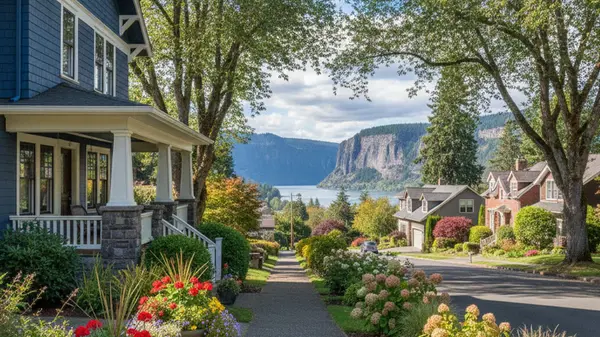
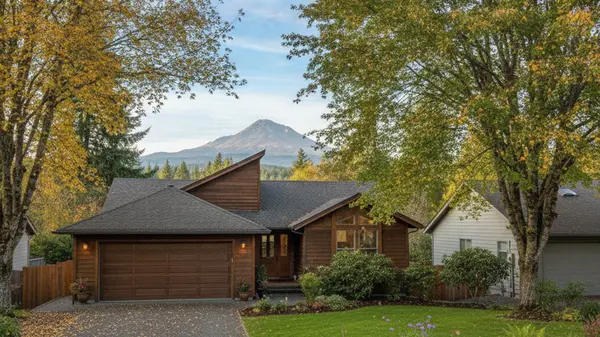
What to Expect From HOA Fees in Hood River County, OR
With a median sale price hovering around $721,500 and homes spending roughly 25 days on the market, buying in the Hood River County housing market means making decisions fast. Buyers locking down one of the 48 active listings tend to focus on the mortgage, property taxes, and insurance - and that's
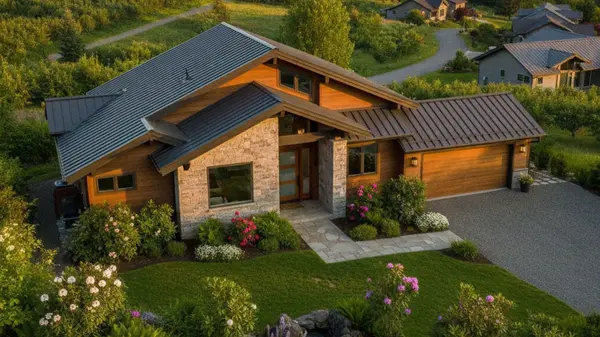
Seller Closing Costs in Oregon: What to Expect in Hood River County
The median home sale price in Hood River County, OR sits around $721,500 as of mid-2026, and homes are spending roughly 25 days on the market before going under contract. With only 48 available homes and 1.9 months of supply, residents looking to sell a home in Hood River County tend to carry real n
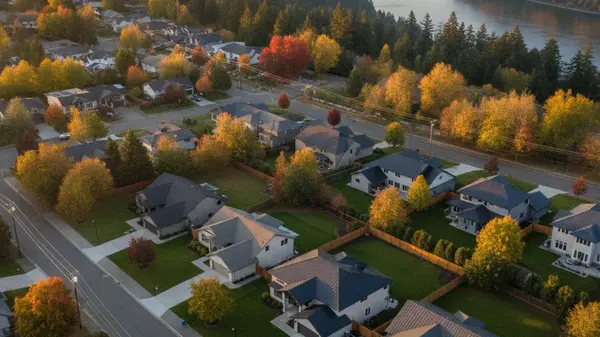
Exploring New Home Developments in Hood River County, OR for 2026
The median sale price in Hood River County, OR sits around $721,500 as of mid-2026, with homes selling in roughly 25 days. If you're focused on new construction, you're working within an even tighter slice of that market - limited inventory, custom and semi-custom builds, and sellers who often don't
GET MORE INFORMATION