The Columbia River Gorge divides Oregon and Washington, creating two distinct real estate markets separated by a mile of water. On the south bank sits Hood River, OR, a busy hub known for its waterfront and downtown commercial district. Across the river on a bluff in Washington sits White Salmon, WA, a smaller town with sweeping views of Mount Hood.
Choosing between these two cities means weighing more than just a view from the living room window. Buyers should factor in state tax differences, daily bridge commutes, and housing inventory constraints driven by local short-term rental regulations. This guide compares the realities of buying a home and living on either side of the Columbia River.
Comparing Local Housing Markets and Home Prices
The median home price in Hood River sits in the low-to-mid $700,000s as of mid-2026. Buyers will find a mix of older, established single-family homes near the downtown grid and newer construction pushing into the hills. White Salmon tracks closely alongside its Oregon neighbor, with median home prices hovering around $700,000.
Property styles differ slightly as you move away from the city centers. Hood River County offers larger agricultural parcels and orchard properties, while Klickitat County features wooded acreage tapping into the Cascade Range. Both markets experience tight housing inventory.
Local short-term rental regulations impact the availability of homes for sale in both areas. Investors looking for a Gorge home to use as a vacation rental should verify zoning laws, as both municipalities have capped or restricted transient lodging in residential neighborhoods.
How the State Line Changes Your Taxes
The Columbia River serves as a major tax border, and choosing a side changes your household budget. Oregon levies a state income tax but does not charge a general sales tax. Washington operates in reverse, collecting no state personal income tax but applying a general sales tax on most purchases.
Property tax rates also vary between the two counties. Hood River County applies an effective property tax rate between 0.56% and 0.87%. Klickitat County properties carry a slightly higher effective rate, generally ranging from 0.62% to 0.95%.
Daily spending habits often cross the border. Here is how the tax structure breaks down for residents:
-
Washington residents: Benefit from no state income tax, keeping more of their paychecks. They pay a 7.6% minimum sales tax locally in Klickitat County, though many cross the bridge to Oregon to make large purchases tax-free.
-
Oregon residents: Pay state income tax on their earnings but enjoy zero sales tax on daily goods. They do not need to cross the river to save on retail purchases.
Commuting Across the Columbia River
Driving between the two downtowns takes 10 to 15 minutes via the Hood River Bridge. This steel truss bridge is the primary link for residents commuting for work, school, or errands. As of April 2025, the crossing operates on a fully cashless electronic tolling system.
A major infrastructure change is underway for the region. Drilling for a $1.1 billion bridge replacement project began in early 2026, which will eventually modernize the crossing and add dedicated lanes for pedestrians and cyclists. Until the new structure opens, drivers will continue using the existing narrow lanes.
For regional travel, Portland International Airport (PDX) is the closest major transit hub. The airport sits 60 to 65 miles west down Interstate 84 or State Route 14. Depending on traffic and weather, the drive from either town takes roughly an hour to 75 minutes.
Outdoor Recreation and Downtown Amenities
Both towns provide immediate access to Columbia River Gorge recreation, but they cater to slightly different activities. Hood River is a global destination for windsurfing and kiteboarding, with easy access to the waterfront Event Site. White Salmon offers quicker access to whitewater rafting on the White Salmon River and Klickitat River.
During the winter, residents on both sides make the drive to Mount Hood for skiing and snowboarding. During the summer, the Gifford Pinchot National Forest provides miles of hiking and mountain biking trails just north of White Salmon. Wildflowers bloom across the Washington side during the spring, drawing hikers to the Coyote Wall trail system.
The downtown experiences also differ in scale and layout. Each city centers its commercial activity around a distinct main street:
-
Hood River: Features a dense, walkable commercial district filled with retail shops, coffee houses, and multiple breweries. The waterfront adds a second layer of dining and paved paths.
-
White Salmon: Offers a quieter, compact main street perched above the river. Locals frequent spots like Everybody's Brewing, which provides clear views of Mount Hood from its outdoor deck.
Schools and Local Healthcare Services
Educational zoning follows the state line. Students on the Oregon side attend the Hood River County School District, which operates several elementary schools, two middle schools, and one main high school. Students on the Washington side enroll in the White Salmon Valley School District.
Healthcare infrastructure is concentrated on the Oregon side of the river. Providence Hood River Memorial Hospital serves as the primary medical center for both communities. It provides emergency services, surgery, and specialized care.
Because White Salmon lacks a major hospital and large-scale supermarkets, Washington residents frequently cross the bridge for daily services. Routine doctor visits, major grocery runs, and specialized appointments typically require a trip into Hood River.
Frequently Asked Questions
How much is the toll on the Hood River Bridge?
Drivers pay $1.75 per crossing if they use a prepaid BreezeBy transponder. Vehicles without a transponder are billed $3.50 via a Pay-by-Plate system mailed to the registered owner. Frequent commuters should set up an electronic account to cut their daily travel costs in half.
Is it cheaper to live in Hood River or White Salmon?
Real estate prices are nearly identical, with median homes in both cities costing around $700,000. The true cost difference comes down to your employment setup. High-income earners often prefer Washington to avoid Oregon's state income tax, while buyers who spend a lot on retail goods might prefer Oregon's lack of sales tax.
How far is White Salmon from Portland International Airport?
The airport is about 65 miles west of town via Washington State Route 14. Most drivers complete the trip in 70 minutes under normal traffic conditions. Winter weather in the Gorge can occasionally add 30 minutes to this commute.
FROM OUR BLOG
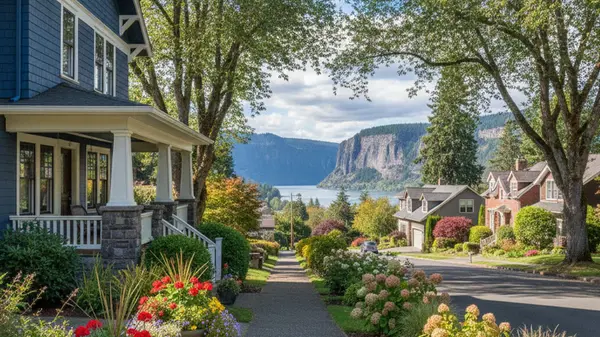
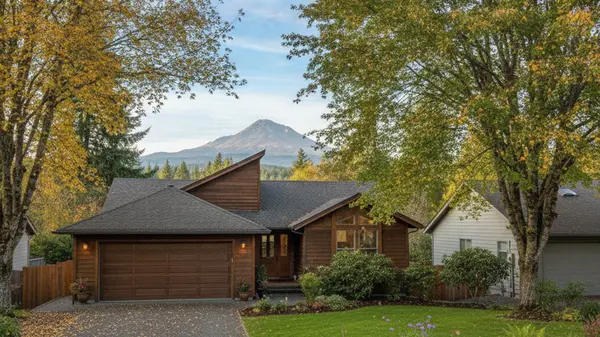
What to Expect From HOA Fees in Hood River County, OR
With a median sale price hovering around $721,500 and homes spending roughly 25 days on the market, buying in the Hood River County housing market means making decisions fast. Buyers locking down one of the 48 active listings tend to focus on the mortgage, property taxes, and insurance - and that's
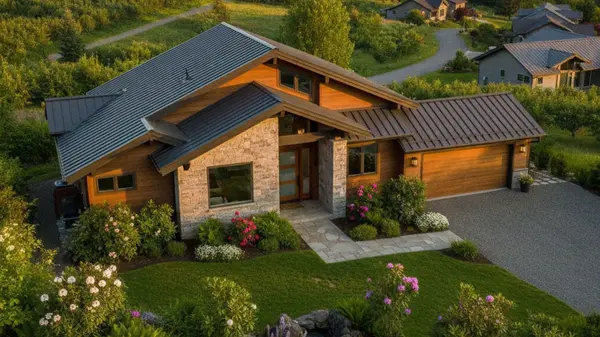
Seller Closing Costs in Oregon: What to Expect in Hood River County
The median home sale price in Hood River County, OR sits around $721,500 as of mid-2026, and homes are spending roughly 25 days on the market before going under contract. With only 48 available homes and 1.9 months of supply, residents looking to sell a home in Hood River County tend to carry real n
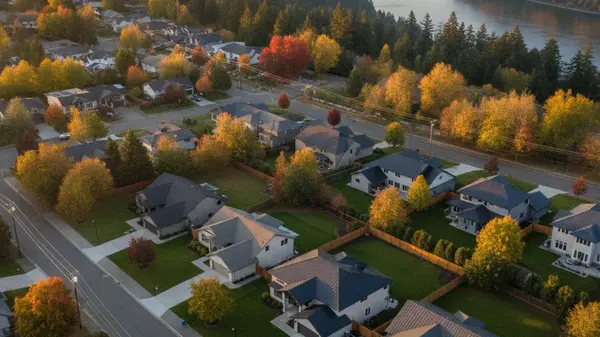
Exploring New Home Developments in Hood River County, OR for 2026
The median sale price in Hood River County, OR sits around $721,500 as of mid-2026, with homes selling in roughly 25 days. If you're focused on new construction, you're working within an even tighter slice of that market - limited inventory, custom and semi-custom builds, and sellers who often don't
GET MORE INFORMATION