Hood River County, OR runs from the banks of the Columbia River all the way up to the peak of Mount Hood. That kind of elevation change, from river level to alpine summit, creates genuinely distinct microclimates across a relatively short stretch of ground. Most buyers moving here want to understand what they're signing up for before they commit to a property. Understanding the pros and cons of living in Hood River County starts with knowing its climate.
The market moves quickly. Homes have been spending roughly 23 days on the market before selling, and the median sale price sits around $864,606. That reflects real demand for property in this part of the Columbia River Gorge. Knowing how the seasons behave can help you time your search and set reasonable expectations for what homeownership here looks like.
A Quick Look at the Local Climate
The City of Hood River and surrounding communities like Parkdale and Odell fall under the Köppen climate classification of Csb, a warm-summer Mediterranean climate. That translates to warm, relatively dry summers and cool, wet winters.
What makes Hood River County unusual is how much that description can change depending on exactly where you're standing. Elevation in the county ranges from about 75 feet near the Columbia River in the north to roughly 11,240 feet at the summit of Mount Hood in the south. The United States Geological Survey officially lists that summit at 11,249 feet. The higher you go, the more extreme things get.
How Elevation Shapes the Weather
Over short distances, conditions can shift dramatically. Down in the City of Hood River, average annual rainfall is about 31.29 inches. At Cascade Locks, that number jumps to over 76 inches.
The highest reaches of Mount Hood receive up to 150 inches of precipitation annually, with most of it falling as snow. If you're looking at a higher-elevation property, expect much more precipitation than buyers shopping near the river.
Monthly Temperature Averages
Average monthly highs in the City of Hood River peak around 82°F in July and August, long, clear days that pull windsurfers and hikers from all over the region. Average lows during those same summer months sit between 53°F and 55°F, so evenings cool down noticeably.
Winters are mild by Pacific Northwest standards, at least at the lower elevations. December and January average monthly highs between 40°F and 42°F, with overnight lows around 30°F to 31°F. Extreme cold is relatively rare down near the river.
Preparing for the Seasons
Spring and fall bring mixed precipitation and fluctuating temperatures, along with the Columbia River Gorge winds this area is known for. Those winds aren't just a lifestyle feature. They affect how you heat and cool your home.
When you're touring properties between November and March, take a close look at the heating system and insulation. Older homes near the river sometimes need upgrades to stay genuinely comfortable through the colder, windier months. It's worth asking.
Rain, Snow, and Precipitation Expectations
The City of Hood River averages about 25 inches of snowfall per year, with the bulk of it arriving in December and January, roughly 7 to 8 inches each month. Lower elevations don't hold that snowpack long, but higher-elevation communities are a different story.
Rainfall follows the same seasonal logic, with the wettest stretch running from late fall through early spring. Thirty-one inches of annual rain is moderate compared to coastal Oregon, but it still puts real demands on a property's drainage. Don't overlook that on a showing.
Winter Storms and Gorge Winds
The Columbia River Gorge functions as a funnel for cold air pushing west from eastern Oregon. That means Hood River County can see freezing rain and ice even when Portland, just down the road, is getting nothing but rain.
Strong winds are a regular feature of life here, particularly during seasonal transitions. Roofs, fences, and large trees all need to be maintained with that in mind.
Natural Hazards and Wildfire Risk
Wildfire is a real consideration in Hood River County. Oregon's 2025 statewide wildfire hazard maps designate significant portions of the county as high or moderate risk, particularly within the Wildland-Urban Interface.
Different organizations measure that risk slightly differently. ThinkHazard classifies the area's wildfire hazard as "High," meaning there's a greater than 50% annual chance of fire-supporting weather. First Street Foundation rates the overall risk as "Moderate," with the note that 99% of properties carry some level of wildfire risk over a 30-year period. The USDA Forest Service also identifies Hood River County among Oregon communities with higher wildfire risk.
Managing Property Risk
Maintaining defensible space, clearing dry brush, keeping trees trimmed back from structures, is standard practice here, not optional. When you're viewing properties, ask the seller directly about any fire mitigation work they've completed. It matters for insurance, and it matters for safety.
Factor wildfire risk into your home insurance budget early in the process. It's easier to plan for than to be surprised by.
Planning a Move to Hood River County, OR
Inventory is tight. The local market currently holds about 51 available homes, with only 3.1 months of supply available. Homes are selling at an average of 94.7% of their list price, and roughly 12.5% of properties have sold above asking.
That's a market where hesitation has a cost.
Timing Your Real Estate Search
Summer is peak season here: 82°F highs, clear skies, easy moving conditions. But there's a real argument for house hunting in the winter. A rainy, windy January tour will show you things a July showing won't.
You'll see whether the driveway ices over, how the roof handles 7 to 8 inches of January snow, and whether the heating system is up to the job. Sometimes the less comfortable tour is the more useful one.
Frequently Asked Questions
What is the weather like in Hood River County, OR year round?
The area has a warm-summer Mediterranean climate: warm, dry summers and cool, wet winters. Average highs reach 82°F in mid-summer and drop to around 40°F to 42°F in winter. Conditions vary widely depending on elevation.
Does it snow in Hood River County, OR, and how much?
Yes. The City of Hood River receives about 25 inches of snow annually, concentrated in December and January. Higher elevations on Mount Hood receive substantially more, with precipitation reaching up to 150 inches a year.
Is it humid in Hood River County, OR?
Summers are generally warm and dry rather than muggy. That's what the warm-summer Mediterranean classification gets you. From late fall through early spring, more rain and moisture move in, and the air gets noticeably damper.
Are there tornadoes or severe weather in Hood River County, OR?
Tornadoes aren't a primary concern, but winter ice storms and strong Gorge winds are. Wildfires are also a significant hazard, with large portions of the county rated at high or moderate risk.
When is the best time of year to move to Hood River County, OR based on the weather?
Summer gives you the easiest moving conditions: dry weather and average highs around 82°F. Moving in winter lets you stress-test a home's heating and insulation against average lows of 30°F, which has its own value.
How do the local weather patterns affect home maintenance and outdoor living in Hood River County, OR?
Wildfire risk means defensible space is a real maintenance priority. Clearing brush and keeping trees trimmed aren't just suggestions. Strong winds and roughly 31.29 inches of annual rainfall in the city also mean roofs and drainage systems need regular attention.
What should buyers consider about the climate before relocating to Hood River County, OR?
Anyone planning a move to Hood River County needs to account for the dramatic elevation changes and seasonal winds. Touring properties during the colder months provides a realistic look at how a home handles freezing rain and winter snowpack.
What are the main environmental safety hazards in Hood River County, OR?
The primary environmental hazards involve winter ice storms and a significant wildfire risk during the drier months. Maintaining defensible space around your property is an essential part of overall safety in Hood River County.
FROM OUR BLOG
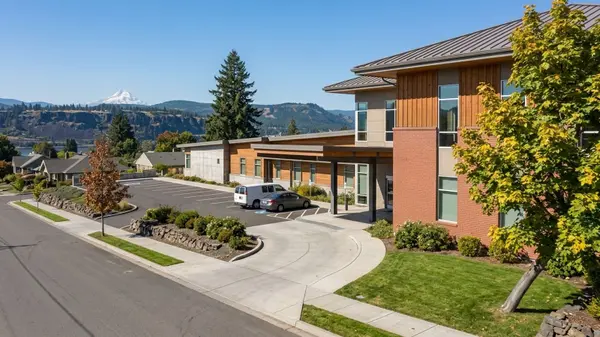
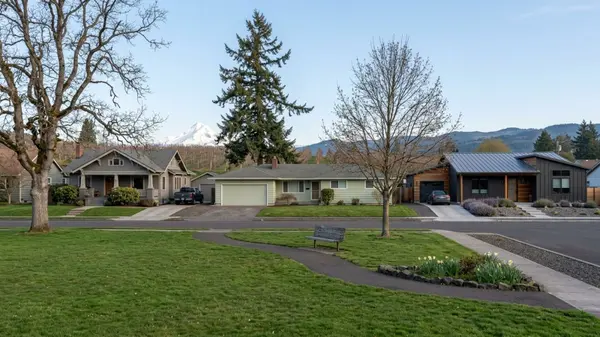
Understanding Water Utilities in Hood River County, OR: City Water vs. Private Wells
Homes in Hood River County are sitting at a median sale price of roughly $864,600 right now, and they're moving in about 23 days on average. When you're competing in that kind of market, it's easy to focus on the offer and overlook something that will affect your budget and daily living in Hood Rive
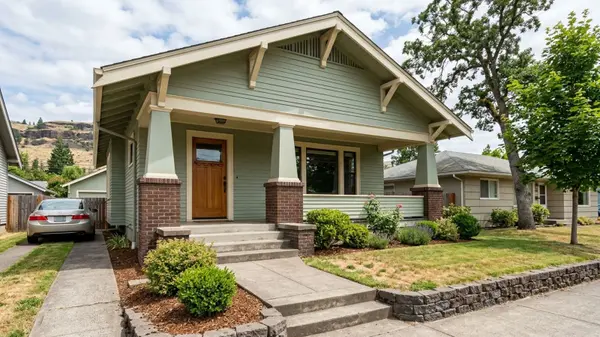
Real Estate Guide: Hood River County, OR vs Wasco County, OR
If you're searching along I-84, you've probably already started weighing the pros and cons of living in Hood River County, OR vs Wasco County, OR, and for good reason. Both counties sit along the Columbia River Gorge with direct access to water recreation and the highway corridor, but they're not in
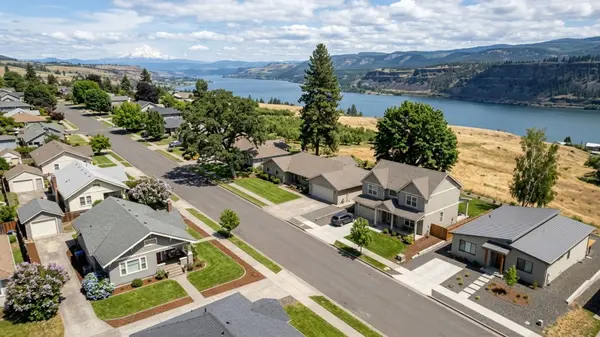
Buying a Home in Hood River County, OR vs Oregon Statewide
Buyers looking at the Pacific Northwest often weigh specific regions against state averages to understand market premiums. A common comparison is Hood River County, OR vs Oregon as a whole, especially for those drawn to the Columbia River Gorge. Understanding how local figures diverge from statewide
GET MORE INFORMATION