This deep-dive explores how a hood river residence on a hillside can frame the view, honor the working orchard, and balance building craft with everyday function. If you’re researching residential architecture in Hood River or planning a house that belongs in the Columbia River Gorge, this article assembles the practical “how” behind siting, construction, materials, and interior experience—drawing on what truly works here, not just what photographs well. It’s worth reading because it distills local lessons into a clear, adaptable design playbook—so your residence lands smart, lives well, and endures.
What makes architecture in Hood River, Oregon distinct on a hillside bluff site?
A successful architecture project Hood River Oregon always begins with the site. Sloped ground, thermal winds, and long axis views mean orientation comes first: let the house align to evening and/or morning light and the Columbia Gorge breeze rather than forcing a diagram that ignores weather. Think compact massing that steps with grade, keeps excavation modest, and preserves the surrounding landscape with minimal disruption. That restraint protects trees, the orchard, and the soil profile—an agricultural context worth keeping and the many species of wildlife that also call the gorge home.
Equally important is program clarity. A local architect will separate gear-heavy entries from the social living area so the plan matches an outdoor lifestyle. In practice, that might mean a mudforward entry sequence with hot and cold hose bibs, floor drains, and storage right where you drop a wetsuit or skis. Done right, the residence moves like a day in the hood river valley: out early, back for lunch, out again. It’s a design rhythm that supports the way people really live here, not a generic checklist.
How should a house capture the Columbia River view without fighting the wind?
The Columbia River dominates orientation, but wind dominates comfort for many. A smart solution is to set primary glass to the lee and carve protected rooms-outside-rooms. Low garden walls and strategically planted berms temper gusts while framing the view. A covered terrace offsets glare and lets you dine outside even when the breeze kicks up. On windier days, a bench seat tucked behind a thick wall gives quiet refuge without sacrificing the panorama.
Think layers. Exterior screens, deep overhangs, and careful interaction between openings keep solar gain reasonable while protecting the interior from dust and spray. In shoulder seasons, small, operable panels above eye level purge warm air under the ceiling, while a radiant floor system holds steady comfort. The net effect is seamless: you watch colorful shapes skitter across water while the room stays calm.
Which simple materials age best in the Northwest climate?
Simple materials and honest detailing do the work. Cedar and Douglas Fir weather beautifully when ventilated and oiled; fir trim inside brings warm tone that reads locally made. Basaltic aggregate and site boulders connect the build to the ground—using basalt at steps and plinths keeps boots from polishing softer stone to a shine. For cladding, think rainscreen assemblies clad in vertical wood or durable fiber cement with open joints that drain and dry.
Inside, durability rules. Cabinetry should accept dings and damp gear; countertop materials like honed stone or sealed concrete wear in, not out. Choose wood species that can be repaired rather than replaced and finish them for touch, not gloss. The result isn’t flashy modern design for its own sake; it’s innovative in the way it quietly lasts through freeze-thaw, sideways rain, and high-UV summers.
Where do indoor rooms meet outdoor gathering spaces for a seamless transition?
In the Gorge, you live between thresholds. A porch that works in drizzle matters as much as a glass wall. The key is a transition sequence: gear bay → mud room → kitchen → terrace. This string supports outdoor recreation without dragging grit deep into the interior. When the slider opens, a continuous floor datum and protected soffit complete the seamless edge, and the outdoor table becomes part of the living area.
Plan gathering spaces for human scale, not just square footage. A built-in bench set against a thickened wall blocks wind; a low planter anchors the corner; a small spa tucked near the suite turns stargazing into nightly ritual. Nothing grandiose—just tuned corners that make changeable weather feel like a feature. These moves are the heart of residential comfort in this unique climate.
How does a studio workshop change daily lifestyle and storage?
Houses here work better with a dedicated studio. It’s half workshop, half gallery: a place for bikes, boards, and repair—plus a clean bay for waxing skis or mending kites, wings and sails. Think washable finishes, slat walls, and a sturdy work countertop with power on every edge. If you’ve ever rinsed sand off a foil mast at midnight, you know why clog free drains, hot water spigots and heated slabs matter. The client who invests in this space uses it every day.
This is where building meets lifestyle. The studio buffers weather, adds value to weekday routines, and keeps expensive gear in sight, not piled on garage shelves. Those who spend weekends in washington or portland know travel packing starts here; a labeled cabinet beats rummaging before dawn. It’s architecture for doers—echoing the ethos described in our inspiration piece: homes that launch you back outside.
What interior design moves make small space feel generous?
Start with one strong axis and edit. Long sightlines, modest ceiling steps, and built-ins keep circulation tight and rooms calm. Interior design details—paneled wall reveals, integrated pulls, and soft under-cabinet light—let the eye rest. That quiet elevates the ordinary, whether you’re returning from a windy session or settling in with friends to dine.
Texture wins over bling. A plank floor of locally sourced douglas fir, a plaster finish that glows at dusk, and a single hero pendant above the island create character without clutter. Glazing should frame the natural environment, not function as a TV. When the party grows, the kitchen island becomes a buffet and the furniture rotates toward the hearth; when it’s just two people, a corner nook turns into the house’s best seat.
How do you plan construction around orchard work and the surrounding landscape?
On a working property, rhythms are set by fruit, frost, and harvest crews. Respect that surround: plan constructionaccess roads that do not compact root zones; protect irrigation; set staging in low-impact zones. After the build, restore rows and understory, and re-seed with mixes that discourage dust. The surrounding landscape should look like it always belonged, because it did.
Drainage lines and swales should serve the site and the orchard equally, with roof water stored for shoulder-season irrigation. Planting is practical: espalier pears at the terrace make shade without blocking the view; native shrubs knit slopes; meadow strips support pollinators. These are ordinary moves that protect the land—quiet, durable, and beautiful in practice.
Which gable roof, terrace, and wall details stand up to the Gorge?
A classic gable holds up well here. It sheds snow, resists uplift when properly tied, and gives that iconic silhouette you see driving above hood river on Highway 35. Deep eaves protect siding; concealed gutters limit overflow stripes on elevations; careful venting keeps the roof assembly dry. Window heads take small metal flashings you’ll never notice—but you will notice the lack of streaks years later.
At ground level, step the terrace with the slope to avoid tall guardrails. Pair basalt pavers with fine gravel so rain disappears rather than puddling. For walls, choose assemblies you can maintain: ventilated cladding, replaceable trim, robust sill pans. It’s the opposite of disposable glamour—quiet, serviceable architectural craft suited to the northwest.
What are the lessons from similar projects and portlandbased architects?
The Gorge is a short leap from portland, and that proximity has shaped a rich culture of experimentation. We’ve learned from similar projects by local teams and portland-based firms —think field-tested detailing, restrained palettes, and strong siting. One admired case study: work by —scott edwards architecture—whose regional houses demonstrate calm planning and honest materiality rather than chase trends.
Peers across the river in washington highlight the same lessons: protect openings, keep forms simple, and edit for weather. Across the board, the best work treats the destination as the source of the concept—custom where it counts, standard where it saves. That balance yields an innovative yet grounded building you can maintain for decades.
How can one residence become a thoughtful destination for guests without feeling commercial?
A home can host beautifully without drifting into commercial atmosphere. The key is scale and privacy. A compact suitefor a guest pairs a small sitting alcove with a bath that borrows light; finishes echo the main house without duplicating them. Keep the acoustics soft—plaster, rugs, and wood slats—and guests will sleep while the party rolls on.
Service touchpoints are modest: a bench by the entry for boots, hooks at the door, a coffee niche in the guest area. In warm months, the outdoors does the hosting—chairs under the eave, a small spa, lanterns along paths. When loved ones leave, the house returns to quiet. That’s the measure of success: generous, not oversized; welcoming, not resort-themed.
Putting It All Together: A One-Page Brief for a Hood River Residence
- Place: Build for hood river winds and slopes; align to sun and shelter.
- Form: Keep the mass stepped and compact; a time-tested gable simplifies water and
snow. - Materials: Choose durable wood, stone, and protected metals; detail to drain and dry.
- Siting: Protect the orchard and soils; manage run-off as a resource.
- Plan: Gear-first entry; short loop to kitchen and terrace; social core at the living area.
- Studio: A real workshop for gear beats a cluttered garage; it supports daily lifestyle.
- Interiors: Warm, repairable finishes; strong axis; interior light balanced by deep
overhangs. - Comfort: Radiant floor, operable clerestories under the ceiling, layered shade.
- Guests: One calm suite, simple hospitality touches, and generous outdoor rooms.
- Legacy: A building that belongs to its natural environment, not just a photo.
Closing Thoughts
A hood river residence rewards restraint and purpose. Keep design decisions tied to the land and the way you move through a day; weight choices by maintenance, not trend. Let the Columbia winds teach you about shelter; let the Columbia Gorge horizon set your windows; let the surrounding landscape show you where to plant and where to pause. Homes here don’t have to shout to be unforgettable. They just have to work—quietly, year after year.
Key Takeaways
- Start with site and wind; let orientation do half the work.
- Favor simple materials and honest assemblies; ventilate and drain everything.
- Design the transition from gear to kitchen to terrace so it supports an outdoor life.
- Include a true studio with power, drains, and durable cabinetry and countertop surfaces.
- Use a gable and deep eaves; detail heads, sills, and gutters for longevity.
- Treat the orchard and soil as assets; rebuild ground after construction.
- Craft warm interior design with locally sourced douglas fir, cedar, and stone like
basalt. - Keep guest suite amenities generous but compact; avoid a commercial vibe.
- Let modern design serve the natural environment and everyday interaction, not the
other way around. - Aim for a residence that feels truly of hood river, a quiet destination that endures.
Ryan + Blakeslee
Luxury | Lifestyle | Real Estate
📍 Hood River & The Columbia Gorge
📩 carlblakeslee@me.com
FROM OUR BLOG
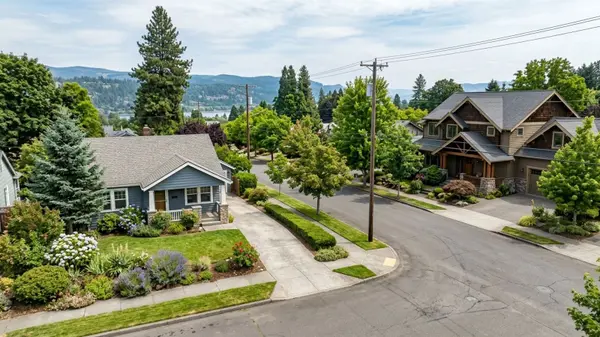
Hood River Heights vs Heights District: Local Real Estate Guide to Hood River County, OR
Buyers looking for the best neighborhoods in Hood River County often try to compare Hood River Heights vs Heights District, assuming they're two distinct neighborhoods. They're not. Both names point to the exact same area - locals just call it "The Heights" - an active residential and commercial hub
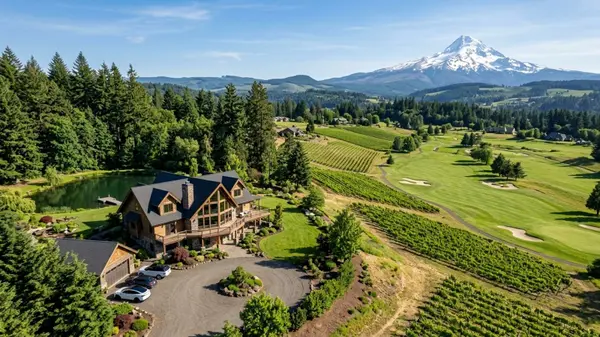
Exploring the Most Expensive Areas in Hood River County, OR
Hood River County carries some of the highest real estate premiums anywhere in the Columbia River Gorge. As of mid-2026, the countywide median sale price sits around $721,500 - and buyers looking at the high end will find a market shaped by acreage, orchard views, and access to outdoor recreation ac
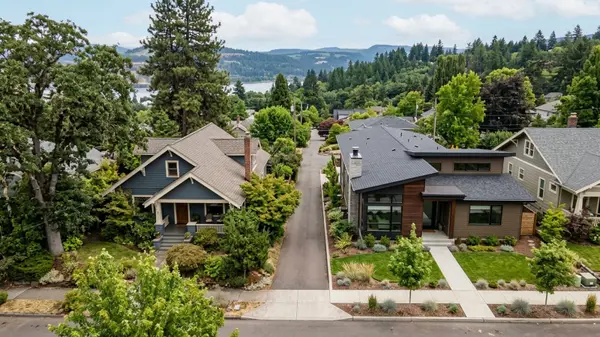
Real Estate and Living in the Eastside of Hood River County, OR
Hood River County sees median home prices hovering around $721,500, and the Eastside area reflects that broader market. What you'll find here is a mix of established neighborhoods and solid access to local trail systems, making it one of the best areas in Hood River County if you want to be close to
GET MORE INFORMATION