The median home sale price in Hood River County, OR sits around $721,500 as of mid-2026. Inventory is tight - 48 homes on the market, about 1.9 months of supply - and the median time on market is just 25 days. This isn't a place where you browse casually and circle back in three weeks.
For investors eyeing the Columbia River Gorge, the math starts with those high entry costs weighed against genuine local rental demand. Whether you're looking at long-term rentals in the city center or scoping out property in surrounding towns, you need to understand the zoning and the market numbers before anything else.
Evaluating Hood River County as an Investment Market
Sellers are holding the cards right now. Homes are closing at about 98.5% of list price, and with inventory well below the four-to-six months that signals a balanced market, expect real competition for anything priced fairly. There's been a slight year-over-year price dip of about 1.8%, but don't mistake that for a buyer's market - it hasn't shifted the dynamic much.
The tenant pool is worth watching. The county grew steadily for years, peaked at 24,086 residents in 2021, then eased to 23,745 in 2023. Projections for 2026 are split - some point to a modest rebound around 24,192, others show a slight further decline. Either way, it's a small population base, and that matters when you're underwriting rental demand.
Home Prices and Local Rent Rates
The countywide median sale price is roughly $721,500, but city-level rent data tells you whether the numbers pencil out. Zumper reported the median rent for the city of Hood River at $2,700 in mid-2025 - a 13% year-over-year increase - and those rents run significantly above the national average.
For broader county figures, HUD's Fair Market Rent for a two-bedroom unit is $1,883. That places Hood River County as the sixth most expensive rental market out of Oregon's 36 counties. Run those rent averages against your projected mortgage payment before you fall in love with a listing.
Investment Strategies and Real Estate Rules of Thumb
The standard investment benchmarks still apply here - they just produce different answers than they would in a lower-cost Midwest market. Hood River County has a permanent tax rate of $1.42 per $1,000 of assessed value, which works out to an effective rate between 0.56% and 0.65%. That sounds modest, and the rate itself is below the state median. But high market values push the median annual tax bill to roughly $3,183 to $3,494. That's a carrying cost you'll feel every month.
Applying the 70%, 1%, and 3-3-3 Rules
Flippers use the 70% rule - pay no more than 70% of a property's after-repair value minus repair costs. In a market where homes routinely sell near asking price and inventory is scarce, finding distressed properties that hit that threshold is genuinely hard. Wholesale deals in Hood River County almost always come through off-market networking, not the MLS.
Rental investors lean on the 1% and 2% rules, where monthly rent should equal 1% or 2% of the purchase price. With median prices above $700,000 and rents around $2,700, most single-family homes here won't clear the 1% threshold. Your return story in Hood River is built on long-term appreciation and principal paydown - not day-one cash flow.
For commercial and multifamily deals, the 3-3-3 rule looks for a 3% cash-on-cash return, a 3% cap rate, and a 3-year stabilization timeline. Some investors target the 7% rule instead - a 7% overall annual return through a mix of rent and appreciation. Know which benchmark you're underwriting to before you make an offer.
Short-Term and Month-to-Month Rental Regulations
Tourism in the Columbia River Gorge is real, and plenty of buyers come in thinking short-term rental income will make the numbers work. The regulations complicate that plan considerably. Both the city and the county enforce strict rules on vacation properties, and the seven-year grace period given to older nonconforming short-term rentals expired in October 2023.
Some investors have shifted to furnished month-to-month rentals as a result - mid-term arrangements that serve traveling nurses, remote workers, and seasonal residents. It's a way to avoid the daily caps on traditional vacation homes while still generating consistent income.
Zoning Limits for Vacation Rentals
In the City of Hood River's residential zones - R-1, R-2, and R-3 - vacation rentals are only permitted if the home is the owner's primary residence, and usage is capped at 90 days per calendar year. A federal court upheld that residency requirement in 2025 and 2026. You cannot buy a dedicated, year-round Airbnb in these zones. That's not a gray area.
Unincorporated Hood River County ties licensing to land use. On Resource Lands - EFU and F-1 Forest zones - short-term rentals aren't permitted on parcels receiving a farm or forest tax deferral. County rules also require these rentals to operate within the primary dwelling, not in accessory buildings.
Where to Buy Investment Properties in the Area
Location determines both your tenant pool and your regulatory environment, and those two things don't always point the same direction. The city of Hood River has the highest concentration of amenities and the strongest tenant demand - but it also carries the highest entry prices and the strictest primary-residence rules for vacation rentals. If you're focused on long-term residential rentals, the city is usually where buyers start.
Surrounding communities like Cascade Locks, Odell, and Parkdale offer different zoning overlays and different price points. Investors looking at commercial or mixed-use properties tend to focus along the main transit corridors connecting these towns, where land-use flexibility is sometimes broader.
Finding Commercial and Wholesale Opportunities
Commercial brokers in Hood River County work across retail, light industrial, and multifamily properties. Developable land outside the urban growth boundaries is limited, which keeps existing commercial structures in strong demand. Review the zoning maps before you put a commercial property under contract - confirming your intended use is permitted isn't a step you want to skip.
Off-market deals in this county generally come through local real estate investment groups and professional networks, not public listings. If you're serious about finding wholesale opportunities, that's where to spend your time.
Frequently Asked Questions
What are the current zoning restrictions for short-term rentals and Airbnbs in Hood River County?
In the city's residential zones (R-1, R-2, R-3), short-term rentals must be your primary residence and are capped at 90 days per year. In unincorporated county areas, they must operate within the primary dwelling and aren't permitted on EFU or F-1 Resource Lands that receive farm or forest tax deferrals.
What happens if I buy agricultural-zoned land in Hood River County - can I still build an investment cabin?
It depends on the specific zoning and tax deferral status. On Resource Lands like EFU and F-1 Forest zones, short-term rentals aren't permitted on parcels receiving farm or forest tax deferrals, and any rental use must operate within a primary dwelling rather than an accessory building.
How does the ROI on investment properties in Hood River compare to nearby markets like The Dalles or White Salmon?
The median sale price in Hood River County is roughly $721,500, and the median city rent is $2,700. You'd want to pull the equivalent figures for neighboring markets and run the same underwriting side by side to get a meaningful comparison.
Are there extra property taxes or local fees for non-owner-occupied investment homes in Hood River County, OR?
The county's permanent property tax rate is $1.42 per $1,000 of assessed value, with an effective rate around 0.56% to 0.65% - that rate applies across the board. Non-owner-occupied vacation rentals in the city also have to comply with licensing requirements and the 90-day usage cap.
How long does the permitting process typically take for new multi-family or commercial investments in Hood River?
The timeline varies by project and zoning district. Reach out directly to the Hood River County or City planning departments for current permit processing estimates - they're the only ones who can give you an accurate number for your specific project.
Do I need a licensed local property manager to legally operate a long-term rental in Hood River County if I live out of state?
Oregon law and local regulations govern property management requirements, but the specific rules for out-of-state owners depend on your lease structure. Most out-of-state investors hire local management to handle day-to-day operations and stay current with local tenant laws - whether they're required to or not.
FROM OUR BLOG
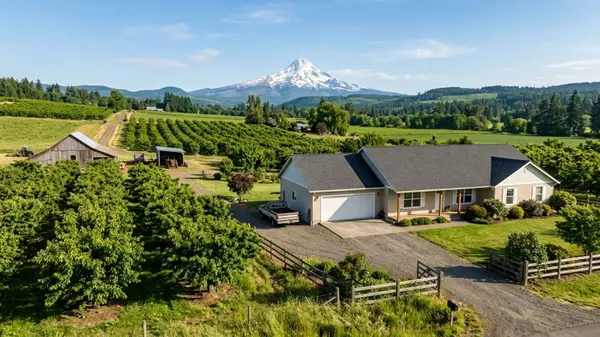
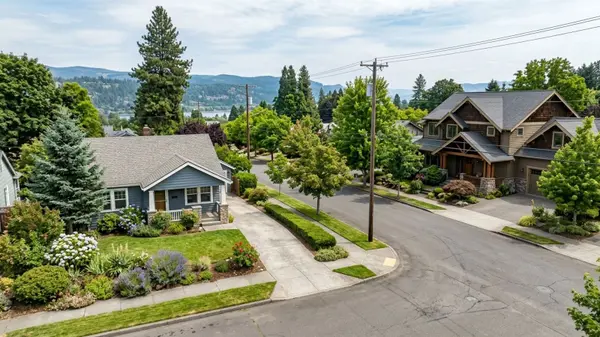
Hood River Heights vs Heights District: Local Real Estate Guide to Hood River County, OR
Buyers looking for the best neighborhoods in Hood River County often try to compare Hood River Heights vs Heights District, assuming they're two distinct neighborhoods. They're not. Both names point to the exact same area - locals just call it "The Heights" - an active residential and commercial hub
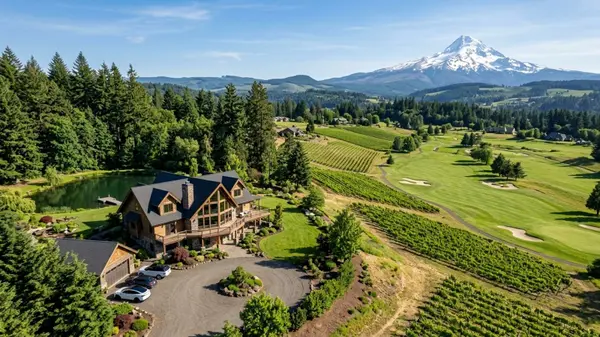
Exploring the Most Expensive Areas in Hood River County, OR
Hood River County carries some of the highest real estate premiums anywhere in the Columbia River Gorge. As of mid-2026, the countywide median sale price sits around $721,500 - and buyers looking at the high end will find a market shaped by acreage, orchard views, and access to outdoor recreation ac
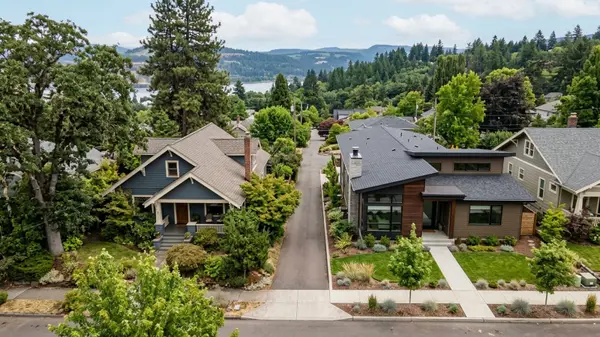
Real Estate and Living in the Eastside of Hood River County, OR
Hood River County sees median home prices hovering around $721,500, and the Eastside area reflects that broader market. What you'll find here is a mix of established neighborhoods and solid access to local trail systems, making it one of the best areas in Hood River County if you want to be close to
GET MORE INFORMATION