Hood River County's median home price sits around $721,500, and with roughly 48 homes available recently, buyers don't have the luxury of taking their time. For those preparing to sell a home in Hood River County, properties are going under contract in about 25 days, which means the pressure to move fast is real.
That pressure is exactly why understanding the disclosure process matters. Before anything is final, state law requires a formal exchange of information about the property's condition. This guide walks through how those mandated forms work, what sellers are required to share, and how the timelines play out in Hood River County transactions.
Understanding the Seller Disclosure Statement
A seller disclosure statement is a legal document where the current owner lays out what they know about the condition of their home - past repairs, ongoing issues, the general state of major systems like plumbing and electrical. It's not optional paperwork. Completing this form is a standard part of nearly every home sale in Oregon.
For buyers, it's a baseline that shapes how you approach your home inspection. For sellers, it's a paper trail that limits liability once the deal closes.
Defining the Disclosure Acronyms
You'll see this document referred to in a few different ways - SPD (Seller Property Disclosure), SRPD (Seller Real Property Disclosure) - but the official legal term in Oregon is the Seller's Property Disclosure Statement, or SPDS.
In practice, agents across the state use a standardized version from the Oregon Real Estate Forms LLC library. That document is form OREF 007.
How the Form Protects Both Parties
Buyers get a clearer picture of what they're actually purchasing before finalizing financing and closing. It reduces the chance of an expensive surprise in the first weeks of ownership.
Sellers benefit just as directly. Putting known defects in writing upfront makes it considerably harder for a buyer to claim they were deceived about the property's condition after the fact. Done right, the disclosure statement is protection for both sides of the table.
Oregon Real Estate Disclosure Laws
The rules governing property disclosures are laid out in ORS 105.462 through 105.490. These statutes define exactly what information has to change hands when a residential property sells.
Sellers work through a standardized questionnaire covering the land, the dwelling, and the property's legal status. Your answers need to reflect what you actually know at the time you sign.
What Sellers Must Disclose
Oregon law requires you to report on the roof, foundation, plumbing, and electrical systems. Water intrusion, past structural damage, any of that goes on the form.
The legal side matters too. Easements, boundary disputes, pending zoning changes - those need to be disclosed. If the home is part of a Homeowners Association, the fees and rules associated with it have to be included in the paperwork.
Exemptions from the Standard Form
Under ORS 105.470, certain transactions don't require the standard disclosure statement. New construction homes that have never been occupied are exempt, provided the seller gives the buyer a statement confirming the home was built under a permit. Financial institutions selling a property acquired through foreclosure or a deed in lieu of foreclosure are also exempt.
Government agencies, court-ordered sales, and transfers between spouses or co-owners fall under these exemptions as well. Fiduciaries - personal representatives, trustees - don't have to complete the disclosure if they've never occupied the property and have no direct knowledge of any defects.
Consequences of Withholding Information
Hiding a known defect creates real legal and financial exposure. If a buyer finds a problem after closing that the seller knew about and didn't disclose, that buyer can sue for damages or the cost of repairs. Courts tend to side with buyers when there's evidence of intentional concealment.
Over-disclose. It's the only sensible approach.
Sale Price Privacy vs. Property Condition
These two things - property condition disclosures and the public record of a home's final sale price - get confused more often than you'd expect. They're completely separate, governed by different rules.
Oregon doesn't treat sale prices as private information, which has a direct effect on how buyers and sellers approach pricing.
Public Records and Sale Prices
Oregon is not a non-disclosure state. Unlike Texas, Idaho, or Utah, Oregon doesn't shield real estate sale prices from public view. When a home sells in Hood River County, OR, the final purchase price gets recorded with the county and becomes part of the public tax record. Real estate platforms and appraisers pull that open data to calculate local market values.
Impact on Local Buyers and Sellers
That transparency cuts both ways. Buyers can review recent comparable sales before making an offer - useful in a market where homes typically sell for about 98.5% of their list price. Sellers can use the same data to price accurately from the start. When you know what the house three streets over actually closed for, setting a competitive asking price becomes a lot more straightforward.
Inside the Real Property Disclosure Form
The real property disclosure form mandated by ORS 105.464 is a detailed checklist. Sellers check "Yes," "No," "Unknown," or "N/A" for a long list of property features and potential issues, divided into specific categories. Every section needs to be completed before the form goes to the buyer.
Form OREF 007 is thorough by design. The categories are worth understanding before you sit down to fill it out.
Reporting on Structures and Systems
The primary section covers the physical house - the age and condition of the roof, the type of heating and cooling systems, the source of the home's water supply. You'll also note any past issues with the foundation, settling, or structural modifications.
If you added a bedroom or finished the basement, the form asks whether those changes were fully permitted. That question catches a lot of sellers off guard, so it's worth thinking through before you start.
Environmental Hazards and Local Factors
Known environmental hazards have to be disclosed. Asbestos, lead-based paint, radon gas, contaminated soil - all of it belongs on the form.
External factors matter too. Drainage issues, soil stability problems, whether the home sits in a designated floodplain - if it could affect how the buyer uses the property, it gets disclosed.
Detailing Past Repairs and Defects
The SPDS requires sellers to list major repairs made during their ownership. If the basement flooded and required professional remediation, that event belongs on the form.
Minor cosmetic work - painting, swapping out a light fixture - doesn't need to be itemized. The focus is on material defects that affect the home's safety, function, or value.
Transaction Timing and Disclosure Deadlines
State law sets strict timelines for delivering and reviewing property disclosures. Missing them can give the buyer a legal out and put the entire transaction at risk.
Both sides need to track these dates from the moment an offer lands.
Delivery Rules for Sellers
Sellers are required to deliver the signed SPDS to any buyer who makes a written offer. There's no fixed number of days before closing specified in SPD deadline real estate law - delivery is triggered by the written offer itself.
If a seller refuses or fails to provide the SPDS, the buyer retains the right to revoke their offer all the way up until the closing date. Getting the form over promptly keeps things moving.
The Five-Day Buyer Window
Once the seller delivers the disclosure statement, ORS 105.475 gives the buyer five business days to review it. During that window, the buyer can revoke their offer by delivering a separate, signed written statement of revocation to the seller. If no revocation arrives within those five business days, the right to cancel based on the SPDS expires. Once the buyer proceeds to closing, that right is permanently terminated.
Five business days goes faster than people expect. Buyers should read the disclosure carefully and promptly.
Filing Documents in Hood River County
After closing, final deeds and mortgages are filed with the Hood River County Department of Records and Assessment. The County Clerk records and indexes those documents to officially transfer title.
Recording costs $138 for the first page and $5 for each additional page. Checks are made payable to Hood River County. The office is at 601 State Street in Hood River.
Frequently Asked Questions (FAQ)
Do I have to disclose nearby orchards, pesticide use, or agricultural zoning when selling a house in Hood River County?
Yes, standard disclosures generally require you to note known zoning, land use issues, or neighborhood factors that materially affect the property. Since the Oregon form asks about zoning and encumbrances, you should mention adjacent agricultural operations if they impact the home.
At what point in the transaction must I provide the Oregon Seller Property Disclosure Statement to the buyer?
You must deliver the completed and signed statement to the buyer once they make a written offer to purchase the property. There is no set number of days before closing, but delivery is tied directly to receiving that written offer.
Am I exempt from providing a seller disclosure if I am selling an inherited property in Hood River that I've never lived in?
Yes. Under ORS 105.470, fiduciaries such as personal representatives or trustees are exempt from completing the form if they have never occupied the property and have no direct knowledge of defects.
Do I have to fix the defects I list on my property disclosure form before the sale closes?
No, disclosing a defect does not legally obligate you to repair it. The disclosure simply informs the buyer of the property's condition, though the buyer may try to negotiate repairs or a price reduction based on what you reveal.
What happens if I discover a new problem with the home after the buyer has already signed the initial disclosure?
You should promptly provide an updated disclosure or an addendum to the buyer outlining the new issue. Keeping the buyer informed protects you from liability and ensures they have an accurate picture of the property before closing.
Are there additional local disclosures required in Hood River County for things like uncertified woodstoves or private wells?
It depends on the specific features of your property, as Oregon has statewide rules regarding the removal of uncertified woodstoves and the testing of private wells during a real estate transfer. You should work with your agent to ensure all required addendums for your specific property type are included alongside form OREF 007.
FROM OUR BLOG
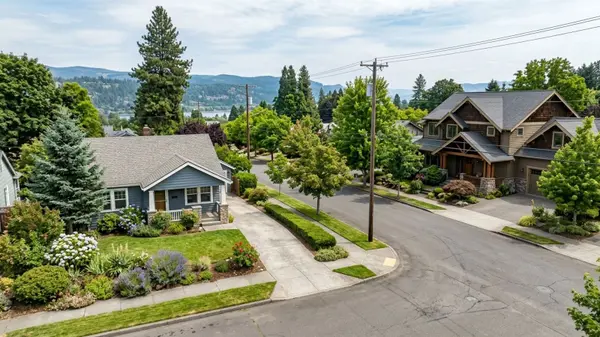
Hood River Heights vs Heights District: Local Real Estate Guide to Hood River County, OR
Buyers looking for the best neighborhoods in Hood River County often try to compare Hood River Heights vs Heights District, assuming they're two distinct neighborhoods. They're not. Both names point to the exact same area - locals just call it "The Heights" - an active residential and commercial hub

Exploring the Most Expensive Areas in Hood River County, OR
Hood River County carries some of the highest real estate premiums anywhere in the Columbia River Gorge. As of mid-2026, the countywide median sale price sits around $721,500 - and buyers looking at the high end will find a market shaped by acreage, orchard views, and access to outdoor recreation ac
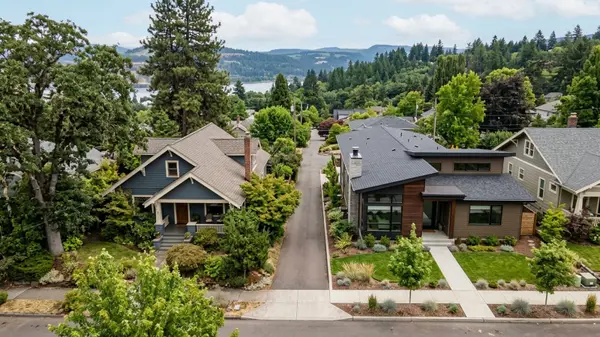
Real Estate and Living in the Eastside of Hood River County, OR
Hood River County sees median home prices hovering around $721,500, and the Eastside area reflects that broader market. What you'll find here is a mix of established neighborhoods and solid access to local trail systems, making it one of the best areas in Hood River County if you want to be close to
GET MORE INFORMATION