Buying a home in the Columbia River Gorge means planning well beyond your down payment, regardless of the types of homes in Hood River County you are considering. The median sale price in Hood River County, OR currently sits around $864,000, and things move quickly: properties are spending roughly 23 days on the market before going under contract.
With inventory hovering around 51 available homes, you don't have the luxury of figuring out your finances on the fly. Knowing your buyer closing costs in Hood River County, OR before you make an offer means you'll have the exact cash ready to close without any last-minute scrambling.
What Are Closing Costs in Oregon?
Closing costs are the fees, taxes, and prepayments required to legally transfer ownership and secure your mortgage. They go to third parties: lenders, appraisers, county recording offices, title companies. You can't close without settling them.
Your escrow officer consolidates charges from all those entities into one lump sum due on closing day. It's a lot of line items, but you'll only write one check.
Down payment versus closing costs
Your down payment is the equity you're putting toward the purchase price. Closing costs are entirely separate: administrative and processing fees that don't build any equity in the property. The lender requires both amounts to finalize the loan.
A lot of buyers assume closing costs are somehow folded into the down payment. They're not. You'll need to budget for both and bring the combined total to the closing table via wire transfer or cashier's check.
Buyer versus seller responsibilities
Both parties owe fees at the finish line. Sellers typically cover the real estate agent commissions and the owner's title insurance policy. You, as the buyer, handle costs tied to your mortgage, the property appraisal, and setting up your escrow accounts for taxes and insurance. Some local fees get split evenly down the middle.
Typical Buyer Closing Costs in Hood River County
Across Oregon, buyers generally pay between 2% and 5% of the purchase price in closing costs. Local mortgage origination data puts Hood River County's average closer to $6,085 for standard transactions, and guides for the broader Central Oregon region suggest costs frequently land in the 2% to 3% range.
Because Oregon doesn't have a statewide transfer tax, many buyers here find their final number lands toward that lower end of the scale, a meaningful difference compared to states with heavy local taxation.
Why costs stay relatively low here
The main reason closing costs stay manageable in Hood River County is the absence of a local property transfer tax. Oregon state law prevents most counties from levying these taxes, which saves buyers thousands compared to other regions. Only Washington County has a grandfathered transfer tax rate.
Without a transfer tax inflating the bill, your costs tie directly to your loan size and local service providers. The difference between closing on a $400,000 purchase versus an $800,000 one mostly comes down to lender fees and prepaid property taxes, not some multiplying government charge.
Estimating by home price
The 2% to 3% range gives you a solid baseline at any price point. On a $300,000 home, expect closing costs between $6,000 and $9,000. A $400,000 purchase moves that to $8,000 to $12,000. A $500,000 property typically requires $10,000 to $15,000. On a $600,000 home, budget roughly $12,000 to $18,000. These figures scale directly with the purchase price and loan amount.
Breaking Down the Fees You Pay at Closing
Your final closing disclosure will list dozens of individual line items. They fall into three main categories: loan costs, third-party services, and government recording fees.
Some fees are fixed local rates. Others vary depending on which lender you choose and the size of your mortgage, so it's worth understanding what you're looking at before you sit down at the closing table.
Loan origination and appraisal fees
Lenders charge origination fees for underwriting and processing your mortgage application. That charge varies depending on the lender and the specific loan product you select. You'll also pay for a home appraisal so the lender can confirm the property's value matches the sale price. This gets paid directly to the appraisal management company during underwriting.
Title insurance and escrow fees
Local custom has the seller paying for the owner's title insurance policy, while you pay for the lender's title insurance policy. Local providers like Columbia Gorge Title routinely handle these policies to protect the lender against past ownership claims.
Escrow fees cover the neutral third party managing the transaction funds and paperwork. In Oregon, those fees are typically split evenly between buyer and seller, costing roughly $1 per $1,000 of the purchase price plus a base fee of around $1,200.
Recording fees and local taxes
Hood River County charges a deed recording fee to make your ownership official in the public record. The county's 2026 fee schedule sets a base charge of $5 per page, plus state and administrative surcharges that bring a standard deed recording to about $120.
Hood River County doesn't charge a property transfer tax. That keeps the government-mandated slice of your closing costs very low.
Prepaids and escrow reserves
Lenders require you to pay certain expenses upfront to establish your escrow account: typically several months of property taxes and a full year of homeowner's insurance premiums. These prepaids often end up being the largest single chunk of your cash due at closing. It's not a fee exactly, but the money still comes out of your pocket on closing day to fund your future tax and insurance bills.
Who Pays What: Customary Splits in Oregon
Oregon has established clear norms for how buyers and sellers divide the final bill, though everything remains open to negotiation. Real estate contracts allocate fees based on regional traditions, and deviating from standard splits usually requires specific contract addendums during the initial offer phase.
Fees the buyer covers
You carry the costs directly tied to your financing: the appraisal, lender origination fees, credit report pulls, and the lender's title insurance policy. You're also responsible for funding your prepaid property taxes and homeowner's insurance, plus half of the escrow settlement fee.
Fees the seller covers
Sellers take on the expenses related to transferring a clear title and marketing the property: real estate agent commissions for both sides of the transaction, the owner's title insurance policy, the remaining half of the escrow settlement fee, and any outstanding utility balances.
Estimating Your Closing Costs: A Worked Example
Percentages are useful, but running the numbers on a real price point makes the savings goal concrete. The exact total will shift based on your interest rate, property taxes, and insurance premiums, but this gives you a realistic target.
Purchasing an $860,000 Hood River home
Take a buyer purchasing a home near the current Hood River County median of $864,000. Applying the region's typical 2% to 3% range, expect closing costs between $17,280 and $25,920.
Mortgage origination data shows the county's average closing cost is around $6,085, but that figure often excludes large prepaid tax and insurance bills. Escrow reserves scale up quickly on higher-priced homes, pushing the final cash requirement well above that baseline number.
Buying with cash
Cash buyers skip the entire financing process, which cuts closing costs dramatically. No mortgage means no origination fees, no lender's title policy, and no mandatory appraisal charges. You'd only pay your half of the escrow fee, county recording fees, and any optional inspections, a fraction of what a financed buyer brings to the table.
Ways to Reduce Your Out-of-Pocket Closing Expenses
You can't change county recording fees or property taxes, but other items offer real flexibility. Lowering your out-of-pocket costs takes proactive communication with your agent and your lender, and it's much easier to arrange before you're already under contract.
Asking for seller concessions
You can ask the seller to cover a portion of your closing costs as part of your purchase offer. Seller credits reduce your out-of-pocket expenses while keeping the final purchase price exactly the same. Sellers are more likely to agree when the home has been sitting on the market or needs repairs. Most loan programs do set strict caps on how much a seller can contribute, so confirm those limits with your lender before you negotiate.
Shopping for lender credits
Some lenders will cover part of your closing costs in exchange for a slightly higher interest rate. This is called a lender credit. It reduces your immediate cash burden but raises your monthly payment, so it's a trade-off worth thinking through carefully. Comparing Loan Estimates from multiple lenders is the fastest way to find competitive fee structures, and shopping around can save thousands in origination and processing charges alone.
Frequently Asked Questions
How much are buyer closing costs on a $500,000 home in Hood River County, OR?
It depends on your loan terms and prepaid taxes, but expect to pay between $10,000 and $15,000. That estimate aligns with the 2% to 3% range common in the region, since Hood River County doesn't charge a local transfer tax.
Are buyer closing costs usually about 3% of the sale price in Oregon?
Yes, buyer closing costs in Oregon typically hover around 2% to 3% of the purchase price, lower than the national average because the state lacks a general property transfer tax.
Who customarily pays for title insurance and escrow fees at closing in Oregon?
It depends on the specific fee. The seller customarily pays for the owner's title insurance policy, the buyer pays for the lender's title insurance, and escrow fees are split evenly between both sides.
Can I negotiate my closing costs or get the seller to pay for them in Hood River County?
Yes on both counts. You can ask the seller for concessions to cover a portion of your closing expenses, and you can negotiate directly with your lender to lower their origination charges or secure lender credits.
Are there ways to get help with closing costs in Hood River County?
Beyond negotiating seller concessions or lender credits, you might qualify for local financial assistance. Certain homebuyer programs in Hood River County are designed to help offset your out-of-pocket expenses at the closing table. Securing this support early ensures you have the exact cash ready when it is time to finalize your loan.
Do closing costs differ for new purchasers in the Columbia River Gorge?
The standard fees for appraisals, title insurance, and escrow apply to everyone, though first-time buyers in Hood River County often face a steep learning curve when budgeting for these expenses. Since administrative charges are never folded into the down payment, new purchasers must plan carefully to avoid last-minute scrambling.
FROM OUR BLOG

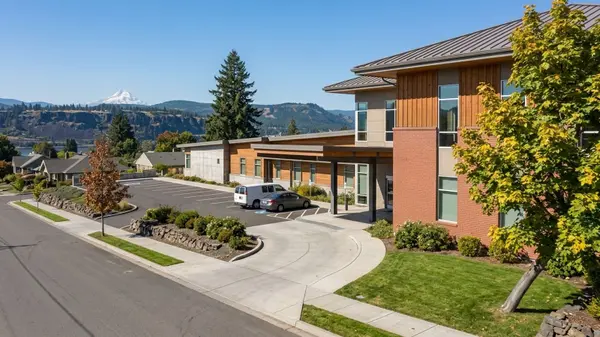
Healthcare Access and Hospitals in Hood River County, OR
If you're buying in the Columbia River Gorge, medical access tends to come up early in the conversation about living in Hood River County. Hood River County handles acute care and emergency services for the broader region, and the infrastructure is concentrated close enough to Hood River's center th
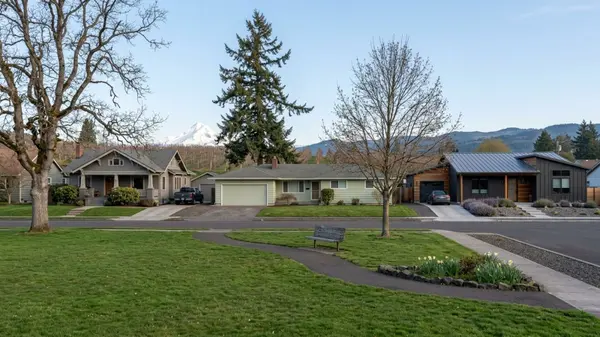
Understanding Water Utilities in Hood River County, OR: City Water vs. Private Wells
Homes in Hood River County are sitting at a median sale price of roughly $864,600 right now, and they're moving in about 23 days on average. When you're competing in that kind of market, it's easy to focus on the offer and overlook something that will affect your budget and daily living in Hood Rive
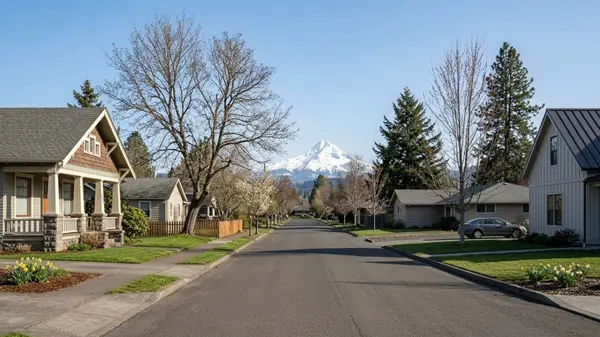
Understanding Weather Patterns in Hood River County, OR
Hood River County, OR runs from the banks of the Columbia River all the way up to the peak of Mount Hood. That kind of elevation change, from river level to alpine summit, creates genuinely distinct microclimates across a relatively short stretch of ground. Most buyers moving here want to understand
GET MORE INFORMATION