The Columbia River Gorge forms a natural border between Oregon and Washington, offering distinct real estate markets on either side of the water. Buyers looking to purchase a home near Mount Hood and the Cascade Range often weigh the differences between these two specific jurisdictions. The decision comes down to housing budgets, tax preferences, and daily commute requirements.
Hood River, OR sits about 60 miles east of Portland on the Oregon side. Across the Columbia River, Stevenson, WA is located roughly 45 miles from Portland in Washington. Both towns provide immediate access to hiking, windsurfing, and outdoor recreation, but their local housing markets operate with distinct pricing and inventory levels.
Real estate in this corridor attracts a mix of full-time residents, remote workers, and investors purchasing vacation properties. Understanding the distinct municipal rules and property values on each side of the river helps buyers target the right locations. The choice between Oregon and Washington shapes everything from daily grocery runs to annual tax filings.
The Layout of the Columbia River Gorge
The physical geography of the region dictates how residents travel and access services. The Columbia River separates the two towns, with the Bridge of the Gods providing a direct physical connection between the states. Drivers pay a $3.00 toll to cross this steel truss bridge in a standard passenger vehicle.
Hood River serves as a larger commercial hub with an active downtown area and numerous retail options. Stevenson offers a quieter setting with a smaller commercial footprint, drawing buyers who prefer a more remote feel. Both locations provide sweeping views of the river and surrounding mountains throughout the year.
The proximity to the Pacific Ocean and the high desert creates a unique microclimate in this part of the country. Residents experience distinct seasons, with winter snow in the higher elevations and warm, dry summers down in the valley. Buyers should factor local weather patterns into their property maintenance budgets.
Comparing Home Prices and Inventory
The median home price in Hood River ranges from $715,000 to $799,000 in 2026. Buyers pay a premium for the established downtown amenities and immediate access to the waterfront state park. Inventory here tends to move quickly, especially for properties within walking distance of the main commercial district.
Across the river, Stevenson offers a lower entry point for buyers. Median prices in the Washington town sit between $484,000 and $542,000. This $200,000 price gap allows buyers to stretch their budgets further or purchase larger lots than they might find on the Oregon side.
Property Types in Skamania and Hood River Counties
Hood River County listings often feature historic craftsman homes near the city center and newer townhomes built to accommodate the steady influx of new residents. Buyers looking for acreage will find agricultural properties and orchards further south in the Hood River Valley.
Skamania County real estate consists primarily of single-family detached homes on larger, wooded lots. Stevenson offers fewer condo or townhome developments compared to its neighbor. Buyers seeking privacy and space between properties often focus their search on the Washington side.
How State Taxes Impact Your Budget
Washington state does not collect a personal income tax. Oregon charges a state income tax that scales up to 9.9% for the highest earners. Buyers moving from outside the Pacific Northwest should calculate how this difference affects their monthly take-home pay.
Oregon does not charge a state sales tax, while Washington does. Stevenson residents routinely cross the river to purchase groceries, clothing, and high-ticket items in Oregon to avoid the Washington sales tax. This cross-border shopping strategy is a common part of the local lifestyle.
Property taxes also vary between the two jurisdictions, with Skamania County assessing taxes at an average rate of around 0.84%. Hood River County charges a slightly higher average rate of roughly 0.87%. Buyers should review the specific tax history of any property before making an offer.
Driving Routes and Portland Commute Times
Commuters traveling from Stevenson to Portland drive west along State Route 14. This two-lane highway follows the curves of the river and generally takes 45 to 55 minutes to reach the eastern edge of the Portland metro area. The route experiences fewer traffic backups than the interstate, though winter weather can slow travel speeds.
Hood River residents use Interstate 84 for their commute. The drive covers 60 miles and typically requires 60 to 75 minutes. The interstate provides multiple lanes and higher speed limits, but it carries substantial commercial truck traffic and weekend tourist crowds heading into the gorge.
Factoring Tolls into Daily Travel
Residents who live in one state and work in the other cross the river daily. The Bridge of the Gods at Cascade Locks, OR, and the Hood River-White Salmon Interstate Bridge both require tolls.
Frequent commuters can purchase prepaid passes to reduce the per-trip cost. Buyers should add these toll expenses to their monthly transportation budget if their daily routine requires crossing the water.
Healthcare, Education, and Local Infrastructure
Providence Hood River Memorial Hospital serves as the primary medical center for the central gorge region. This facility provides emergency services, surgical care, and specialized treatment options. Stevenson residents typically cross the river to access these medical services, as Skamania County relies on smaller clinics for routine care.
The public education systems and local services operate independently in each state. Buyers evaluating specific property addresses should note the following jurisdictional lines:
-
Oregon Schools: The Hood River County School District manages the public campuses on the south side of the river.
-
Washington Schools: The Stevenson-Carson School District serves students located in the northern gorge communities.
-
Emergency Services: Each county maintains its own fire and police departments, though regional agencies collaborate during major wildfire events.
Recreation and Daily Amenities
Both towns offer extensive infrastructure for outdoor recreation. Hood River features dedicated windsurfing launch points, waterfront trails, and a dense concentration of local brewing companies. The town serves as a year-round destination for outdoor sports enthusiasts.
Stevenson maintains a quieter waterfront park system and closer proximity to major waterfall trailheads. The local marina provides boat access to the Columbia River without the dense summer crowds found across the water.
Making Your Final Location Choice
The median price difference of over $200,000 remains the biggest deciding factor for most buyers. Hood River commands a premium for its larger commercial center, extensive dining options, and immediate access to medical facilities. Buyers who prioritize walkability and a busy downtown environment tend to favor the Oregon side.
Stevenson appeals to buyers seeking lower home prices and the financial benefit of Washington's zero percent income tax. The town delivers a more secluded, wooded environment while still keeping Portland within a 45-minute drive.
Touring neighborhoods in both towns provides the best sense of the daily lifestyle. Driving the commute routes during morning hours and visiting the local grocery stores helps clarify which side of the river aligns with your housing goals. Buyers should also speak with local lenders to understand how crossing state lines impacts mortgage options and closing costs.
Frequently Asked Questions
Is it cheaper to live in Hood River, OR or Stevenson, WA?
Stevenson offers a lower barrier to entry with median home prices sitting around $500,000, compared to the mid-$700,000s in Hood River. Washington residents also avoid state income taxes, which keeps more cash in their pockets each month. However, buyers should factor in Washington's sales tax when calculating total living expenses.
Do Stevenson residents pay Oregon income tax if they work in Oregon?
Yes, Washington residents who earn wages in Oregon are subject to Oregon's state income tax on those specific earnings. This eliminates the primary tax advantage of living in Stevenson for commuters who cross the river for employment. Buyers working remotely for out-of-state companies generally avoid this requirement.
How long does it take to commute from Stevenson to Portland?
Driving from Stevenson to the Portland metro area takes about 45 to 55 minutes via State Route 14. This commute is roughly 15 to 20 minutes shorter than the drive from Hood River via Interstate 84. Travel times fluctuate during winter storms or when summer tourist traffic peaks.
FROM OUR BLOG
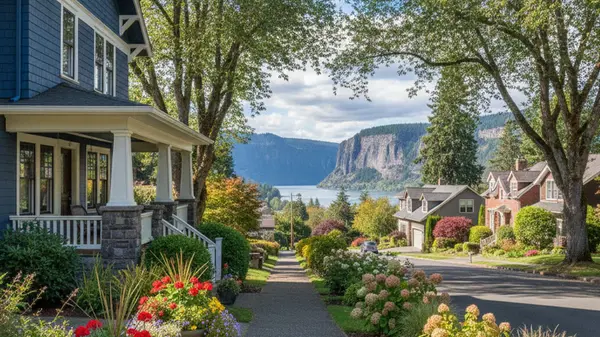
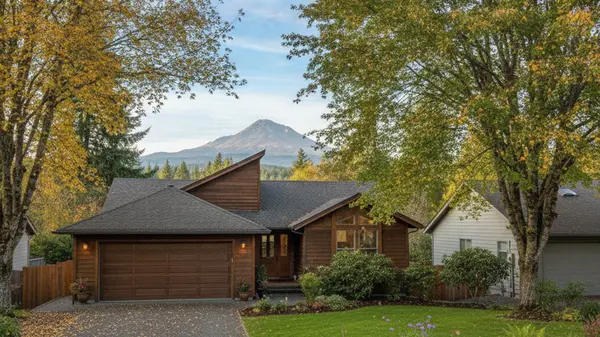
What to Expect From HOA Fees in Hood River County, OR
With a median sale price hovering around $721,500 and homes spending roughly 25 days on the market, buying in the Hood River County housing market means making decisions fast. Buyers locking down one of the 48 active listings tend to focus on the mortgage, property taxes, and insurance - and that's
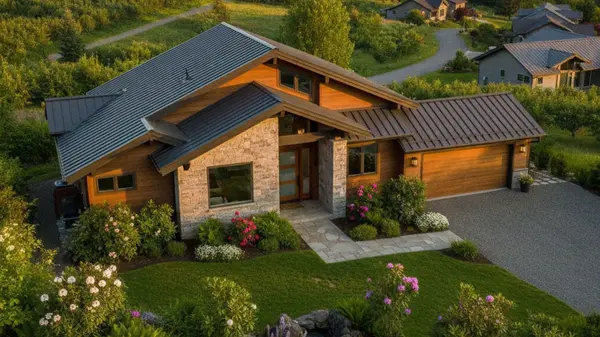
Seller Closing Costs in Oregon: What to Expect in Hood River County
The median home sale price in Hood River County, OR sits around $721,500 as of mid-2026, and homes are spending roughly 25 days on the market before going under contract. With only 48 available homes and 1.9 months of supply, residents looking to sell a home in Hood River County tend to carry real n
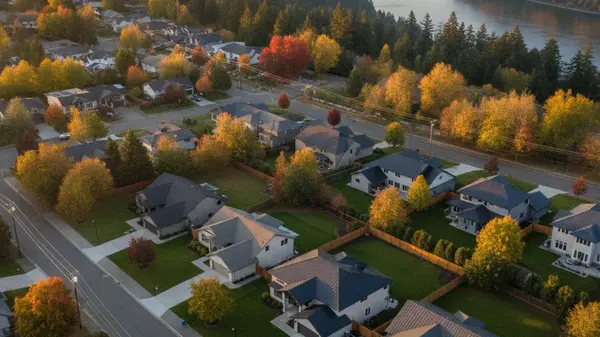
Exploring New Home Developments in Hood River County, OR for 2026
The median sale price in Hood River County, OR sits around $721,500 as of mid-2026, with homes selling in roughly 25 days. If you're focused on new construction, you're working within an even tighter slice of that market - limited inventory, custom and semi-custom builds, and sellers who often don't
GET MORE INFORMATION