The median home price across the different types of homes in Hood River County sits around $865,000 right now. If you're shopping in that range, the rate you lock in will shape your monthly budget just as much as the purchase price itself.
And the market doesn't give you much time to figure it out. Homes here are spending roughly 23 days on the market before going under contract, which means you need your financing sorted before you fall in love with a property, not after.
How Mortgage Rates Are Set in Hood River County
Rates shift constantly based on broader economic indicators, inflation data, and bond market movements. That number you see advertised on a national financial website Tuesday morning might be different from what a local lender quotes you that same afternoon.
Online averages are a starting point, nothing more. Your actual rate comes from a lender who's looked at your specific financial picture and the specific property you're buying.
Getting an Accurate Lender Quote
The only way to know your real rate is to request a same-day quote or a formal Loan Estimate. Those documents lay out the exact interest percentage, estimated monthly payments, and closing costs for your specific loan, not a hypothetical buyer's.
Lenders need your income, debt-to-income ratio, and down payment to get there. Until someone pulls your credit and reviews your financials, any rate you've seen online is just a benchmark.
Why Rates Move Daily
Lenders reprice based on the trading of mortgage-backed securities, sometimes more than once a day. When bond yields climb, borrowing costs tend to follow.
That quote from last week? It's already stale. Stay in close contact with your loan officer as you get ready to make an offer.
How Rate Changes Affect Your Buying Power
Hood River County's median sale price is up about 9.4% year-over-year to roughly $865,000, so affordability questions come up in almost every buyer conversation I have. A small rate move doesn't feel small when you're looking at a 30-year commitment. It can swing your monthly payment by hundreds of dollars.
Your real number to watch is total monthly obligation: principal, interest, taxes, and insurance. One bit of relief here: Hood River County's median effective property tax rate is about 0.57%, which is well below the Oregon state median of 0.87%. That gap does help.
An Illustrative Payment Comparison
Take an $865,000 home with 20% down. That leaves a loan amount of $692,000. At 6%, the principal and interest payment runs about $4,149 per month.
At 6.5%, that same payment climbs to around $4,374. At 7%, you're looking at roughly $4,604. One percentage point, just one, adds over $450 a month to your housing cost. That's real money.
The Price Versus Rate Trade-Off
Some buyers, when rates are elevated, shift their search toward townhomes or smaller footprints just to keep the monthly number manageable. That's a legitimate strategy, not a compromise. It's just math.
Sellers feel this too. When monthly payments stretch buyers thin, some of them exit the market entirely, which expands inventory. Right now there are about 51 available homes in the county, and that number is sensitive to where rates go from here.
Fixed Versus Adjustable-Rate Mortgages and Loan Types
The loan structure you choose determines how your interest is calculated across the entire term. There's no universal right answer. It depends on how long you plan to hold the property and what your financial profile looks like.
Each product comes with its own qualification standards and down payment minimums, so it's worth understanding the basics before you sit down with a lender.
30-Year Versus 15-Year Fixed Loans
The 30-year fixed is the workhorse of the mortgage world. Payments are spread over three decades, which keeps the monthly obligation lower, and the rate is locked for the full term, so no surprises.
A 15-year fixed typically carries a lower rate, but the monthly payment is higher. Buyers who choose this path pay off the home faster and save on total interest, but you need the income to support that larger payment comfortably.
Adjustable-Rate Mortgages and Who They Fit
An ARM starts with a fixed rate, often for five or seven years, then adjusts annually based on market indexes. The introductory rate is usually lower than a 30-year fixed, which can be appealing.
If you know you're likely to sell or refinance before that introductory period ends, an ARM is worth a look. Just know that you'll need to qualify based on the possibility of higher payments once the adjustment kicks in.
Conventional, FHA, VA, and USDA Differences
Conventional loans require stronger credit scores and aren't government-backed. FHA loans are designed for buyers with lower credit scores or smaller down payments, though they carry mortgage insurance requirements.
VA loans offer zero-down-payment options for eligible veterans and active-duty service members. And in the more rural parts of Hood River County, USDA loans are worth exploring. They provide 100% financing for properties outside major city limits.
Securing the Best Terms as a Buyer
Lenders give their best terms to borrowers who look like the lowest risk. The more you've done to clean up your financial profile before you apply, the more leverage you have.
You're also not obligated to take the first offer you get. Shopping and preparing pays off.
How Credit Scores Influence Your Options
Your credit score is the primary lens lenders use to assess risk. A higher score unlocks lower rates and cheaper mortgage insurance premiums, sometimes both at once.
Check your credit reports for errors before you apply, and pay down revolving debt where you can. A 20-point improvement in your score can meaningfully change the terms a lender puts in front of you.
Down Payments, Points, and Buy-Downs
Putting more money down reduces the lender's exposure and often results in better terms. Hit 20% or more and you also avoid private mortgage insurance entirely.
If you want to push your rate even lower, you can pay discount points upfront to buy it down permanently. There's also the option of a temporary buy-down, which lowers your rate for the first one or two years. Sellers occasionally fund it as a closing concession instead of cutting the price.
What a Rate Lock Does
A rate lock holds your quoted rate for a set window, usually 30 to 60 days, while your purchase is under contract. If rates climb during that time, you're protected.
If you don't close before the lock expires, you may owe an extension fee. Your loan officer can tell you the right time to pull the trigger based on where rates are moving and when you expect to close.
Choosing a Local Mortgage Lender in the Columbia Gorge
The lender you choose matters as much as the loan product. A national call center doesn't know Hood River County property taxes, regional appraisals, or local insurance quirks, and that knowledge gap can create problems at the worst possible moment.
Local loan officers also carry reputations that listing agents here already know. That matters more than people realize.
Local Expertise Versus National Call Centers
When a listing agent sees a pre-approval from a known Hood River County lender, they take it seriously. They know that buyer has been vetted. Automated pre-approvals from online lenders sometimes fall apart in underwriting, and agents have seen it happen.
Local lenders are also reachable. If you're writing an offer on a Saturday night, you want a loan officer who picks up the phone, not a helpdesk ticket.
Comparing Banks, Credit Unions, and Brokers
Direct lenders and big banks underwrite their own loans. Mortgage brokers shop your file to multiple wholesale lenders and find the best fit. Both approaches have merit.
Hood River County has local branches for U.S. Bank, Washington Federal, and First Interstate Bank. Regional credit unions, Pacific NW Federal Credit Union, Cascade Central Credit Union, and Consolidated Community Credit Union, are also worth contacting for competitive local programs.
What Financing Trends Mean for Hood River County Sellers
Sellers who ignore rate trends are flying blind. Borrowing costs directly shape how many buyers can afford your asking price, which determines how quickly, and at what terms, you sell.
When financing gets expensive, the pool shrinks. It's that simple.
How Buyer Demand Reacts to Rates
Hood River County properties are currently selling for about 94.7% of list price on average. When monthly payments push buyers to their limits, they negotiate harder on price and ask for more repair concessions. That's not a coincidence.
When rates dip, the opposite happens: more traffic, more competition, better offers.
Pricing and Timing Your Listing
Getting the price right from day one is your single most effective tool. Overprice when financing is expensive, and your home will sit well past that current 23-day median. Price it accurately and you avoid that conversation entirely.
Your agent's comparable sales analysis is the right place to start. And before you reach for a price cut, it's worth considering whether offering to fund a buyer's temporary rate buy-down might do more good, for both sides of the deal.
Get Local Real Estate Guidance
Getting financing in order is the first move. But before you start filling out applications, it's worth having a conversation about your overall goals: what you're trying to buy, what you can realistically afford, and how the current market affects your timeline.
A local agent can connect you with lenders who close on time and communicate through the process. That's worth more than it sounds.
Talk to an Agent Before Applying
An agent can give you a realistic picture of what your estimated monthly budget will buy in this market. They also know which local loan officers are reliable and which ones go quiet when things get complicated.
Starting with that conversation costs you nothing and lets you build a real strategy before anyone touches your credit.
Connecting With Trusted Professionals
Agents work daily with lenders, inspectors, and title companies. They can point you toward local credit unions and mortgage brokers with strong track records in the Columbia Gorge, not a generic list, but people they've worked with.
A consultation carries no obligation. You're just getting information so the decisions you make are informed ones.
Mortgage Rate FAQs
What are mortgage rates today in Hood River County, OR?
Your exact rate depends on your credit score, down payment, and loan type. To get a real number, request a same-day quote or a formal Loan Estimate from a local lender.
Should I wait for rates to drop before buying a home in Hood River County?
That depends on your timeline and budget. Waiting might lower your monthly interest cost, but Hood River County's median home price has already risen 9.4% year-over-year to about $865,000, meaning the home itself could cost more by the time rates move.
How much does a 1% interest rate difference change my monthly payment on a Hood River home?
On an $865,000 median-priced home with 20% down, moving from a 6% to a 7% rate adds over $450 to the monthly principal and interest payment.
How do I get the best mortgage rate as a buyer in Hood River County?
Improve your credit score, save for a larger down payment, and compare Loan Estimates from at least three lenders. Working with a local credit union or broker rather than a national call center can also produce better terms.
What credit score do local Hood River County lenders require for their lowest mortgage rates?
Lenders generally reserve their lowest rates for borrowers with scores of 740 or higher. Buyers with lower scores can still get financing, but they'll likely pay a higher rate or need a government-backed loan like FHA.
How do current mortgage rate trends affect my ability to sell my house in Hood River County?
Higher rates reduce the number of buyers who can afford your home, which slows the pace of sales. With the current median days on market around 23 days, accurate pricing for the current financing environment matters a great deal.
How do I choose the right local mortgage lender in Hood River County, OR?
Interview a mix of local banks, credit unions, and mortgage brokers. Ask about their typical closing timelines, weekend availability, and whether they retain their loans or sell them on the secondary market.
What loan types work well for a first-time buyer in Hood River County?
Government-backed products like FHA and USDA loans are often a strong fit because they allow for smaller down payments and offer flexibility on credit scores. A local real estate agent can help first-time home buyers in Hood River County compare these options against standard conventional loans.
FROM OUR BLOG

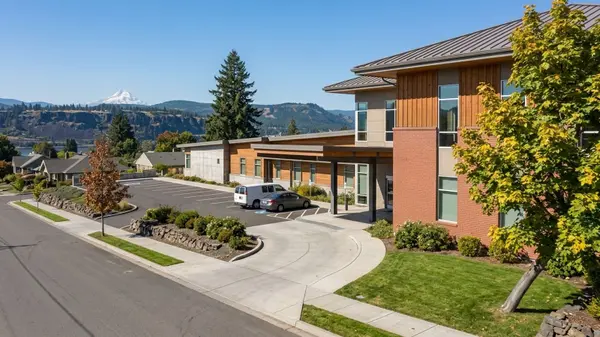
Healthcare Access and Hospitals in Hood River County, OR
If you're buying in the Columbia River Gorge, medical access tends to come up early in the conversation about living in Hood River County. Hood River County handles acute care and emergency services for the broader region, and the infrastructure is concentrated close enough to Hood River's center th
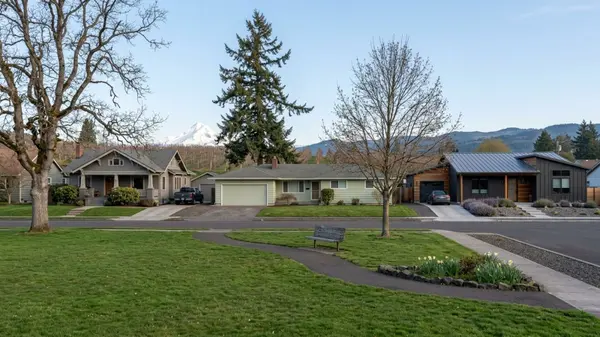
Understanding Water Utilities in Hood River County, OR: City Water vs. Private Wells
Homes in Hood River County are sitting at a median sale price of roughly $864,600 right now, and they're moving in about 23 days on average. When you're competing in that kind of market, it's easy to focus on the offer and overlook something that will affect your budget and daily living in Hood Rive
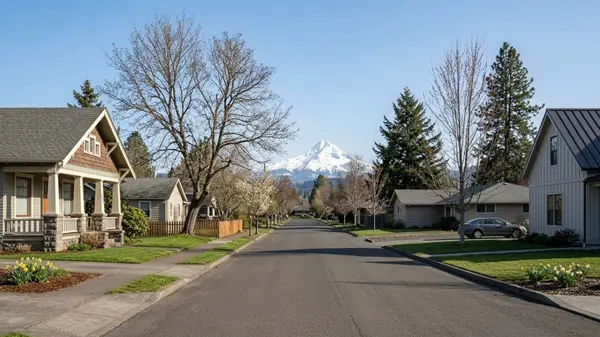
Understanding Weather Patterns in Hood River County, OR
Hood River County, OR runs from the banks of the Columbia River all the way up to the peak of Mount Hood. That kind of elevation change, from river level to alpine summit, creates genuinely distinct microclimates across a relatively short stretch of ground. Most buyers moving here want to understand
GET MORE INFORMATION