If you're looking at homes in Hood River County, OR - where the median sale price runs around $721,514 - property taxes aren't something you can back-fill into your budget later. They hit every month, they compound over time, and the way Oregon calculates them is genuinely different from most other states. Worth understanding before you're sitting at the closing table.
Hood River County's permanent statutory tax rate is $1.42 per $1,000 of assessed value, which ranks it ninth lowest among Oregon's 36 counties. That's a decent position to be in. But the number on your actual tax bill also includes local school and special district levies on top of that base rate, so the permanent rate alone won't tell the whole story. What will tell the story is understanding how the assessor arrives at your home's assessed value - and why it almost certainly isn't what you paid for the house.
Current Property Tax Rates in Hood River County, OR
The effective property tax rate here lands somewhere between roughly 0.56% and 0.65% of a property's market value. That figure wraps in the permanent county rate plus the local levies that fund schools, fire departments, and other district services.
The permanent rate of $1.42 per $1,000 of assessed value doesn't move. What does move are the voter-approved local option levies and bond measures, which vary by district and get added on top. Stack them together and you get the total millage rate applied to your property each year.
Hood River County Compared to the Oregon Average
Oregon's median effective property tax rate sits at about 0.87% of a home's value. Other estimates put the state average a bit lower - around 0.81% - which translates to a median annual tax bill somewhere between $2,745 and $3,806 statewide.
Hood River County tops out around 0.65%, so residents here generally carry a lighter tax burden relative to their property's market worth. If you're coming from a higher-tax corner of the state, that difference will show up in your monthly numbers.
How Hood River County Calculates Your Property Tax
Oregon's property tax system multiplies a property's assessed value by the local tax rate. Simple enough in principle - but here's the part that surprises most buyers coming from other states.
Under Measure 50, passed in the late 1990s, your home's assessed value is deliberately disconnected from what you paid for it. The county doesn't tax your purchase price. It taxes a Maximum Assessed Value, or MAV, which can grow by no more than 3% per year regardless of what the market does. The only things that can push that value higher than 3% are significant changes to the property - new construction, a remodel, rezoning.
Assessed Value Versus Market Value
The Hood River housing market is moving fast - median days on market is roughly 25 days, with sales landing at about 98.5% of list price. A buyer might write a check for over $720,000 to secure a house here, and the tax assessor won't immediately adjust the bill to match.
On an older home, the assessed value is often substantially lower than market value because of that 3% annual cap. Measure 5 adds another layer of compression by capping the total effective tax rate if local levies push the combined total too high. The result is that your tax bill, while real, tends to be calibrated to a number well below what you actually paid.
The Mill Rate System Explained
Tax rates in Oregon are expressed as millage - dollars of tax per $1,000 of assessed value. To calculate the base county tax, you divide the assessed value by 1,000 and multiply by the $1.42 permanent rate. Then you run that same calculation for the local school district and any special assessment districts that apply to your parcel. Add those figures together and you have the total property tax obligation for the year.
Sales Taxes in Hood River County
Oregon has no state or local sales tax. The sales tax rate in Hood River County, OR, is 0% - on retail purchases, groceries, services, all of it.
For a buyer furnishing a new house or pricing out renovation materials, that's a real line item. Property taxes carry most of the weight as a local revenue source here, but the absence of a sales tax does soften the day-to-day cost of living in a way that's worth factoring into your overall budget.
Finding and Paying Your Property Tax Bill
Hood River County property tax statements go out no later than October 25 each year. The county Assessment and Taxation office handles the records and collects the payments.
If you're financing your purchase, your loan servicer may receive the bill directly and cover it out of your escrow account - check with them so you're not caught off guard. Without an escrow arrangement, you're responsible for getting payment to the county yourself, either online or by mail.
Due Dates and Early Payment Discounts
Taxes are due November 15. Pay the full year's balance by that date and you get a 3% discount on the total bill - not a huge number, but it's yours to keep if you're organized.
Miss the deadline and things escalate on a set schedule. Delinquency officially kicks in on May 16 of the year following the tax year. Three years after that delinquency date, the county can move to foreclose on the property. That timeline sounds long, but it also disappears faster than you'd expect.
Exemptions to Lower Your Property Tax Burden
Oregon has several exemption and deferral programs that can reduce what you owe, but none of them activate on their own. You have to apply through the County Assessor's Office, verify eligibility, pull together the required documentation, and file before the county's annual deadlines.
If you think you might qualify, don't assume the county will flag it for you. Miss the filing window and you wait another year.
Senior, Veteran, and Disabled Citizen Programs
The state's deferral programs for seniors and disabled residents let qualifying homeowners delay paying property taxes. Oregon pays the county on their behalf and places a lien on the property to recover the funds later. Veterans may qualify for exemptions that reduce their home's assessed value directly.
Oregon also offers exemptions for certain low-income housing developments and agricultural land. Each program carries its own eligibility rules and strict adherence to county filing procedures.
Taxes on New Construction and Special Assessments
With roughly 48 homes in Hood River County's current inventory, some buyers are looking at new construction homes. Those properties get taxed differently in the first year.
Because a newly built home has no historical Maximum Assessed Value, the assessor establishes its initial MAV by applying the county's changed property ratio to its real market value. After that first assessment, the property falls under the standard 3% annual growth cap. That initial bill will reflect a value much closer to what you paid than an older resale home would - plan for it.
Some neighborhoods also carry special district levies for localized infrastructure improvements. Voter-approved bonds for schools, fire districts, or water systems layer on top of the permanent county rate and show up as separate line items on your annual statement. If you're buying in a newer subdivision, read those line items before you close.
Frequently Asked Questions
What is the current property tax rate for residential homes in Hood River County, OR?
The permanent statutory tax rate for Hood River County is $1.42 per $1,000 of assessed value. With local school and special district levies added in, the effective property tax rate works out to roughly 0.56% to 0.65% of a home's market value.
When are property taxes due in Hood River County, and how can I get the 3% early payment discount?
Tax statements are mailed by October 25, with payment due on November 15. Pay the full year's balance by that November 15 deadline and you'll receive a 3% discount on your total bill.
Will my Hood River County property taxes automatically increase to the purchase price after I buy a home?
No. Under Oregon's Measure 50, a home's assessed value can only grow by a maximum of 3% per year. The tax assessor doesn't reset the assessed value to match the market purchase price when a property changes hands.
Which property tax exemptions are available for seniors, veterans, or agricultural land in Hood River County?
Oregon offers property tax deferral programs for seniors and disabled citizens, and specific exemptions for veterans. Exemptions also exist for agricultural land and low-income housing developments. All of them require an application through the County Assessor's Office.
What is the process for appealing my home's assessed value with the Hood River County Board of Property Tax Appeals?
You can submit an appeal to the county if you want to contest your home's assessed value. Because Measure 50 limits assessed value growth to 3% annually, a home's assessed value is often already lower than its current market value.
What happens if I miss a property tax payment in Hood River County, OR, and when do interest or foreclosure proceedings start?
The account officially becomes delinquent on May 16 of the year following the tax year. From that delinquency date, the county has the authority to begin foreclosure proceedings on the property three years later.
FROM OUR BLOG
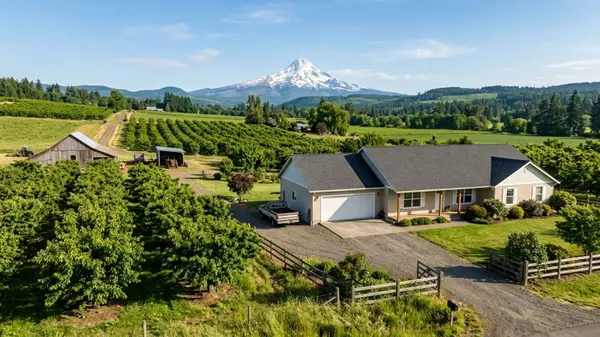
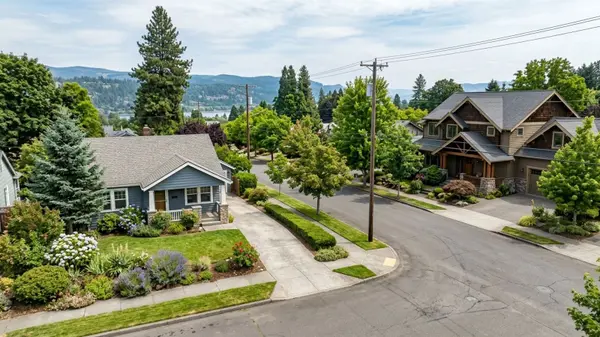
Hood River Heights vs Heights District: Local Real Estate Guide to Hood River County, OR
Buyers looking for the best neighborhoods in Hood River County often try to compare Hood River Heights vs Heights District, assuming they're two distinct neighborhoods. They're not. Both names point to the exact same area - locals just call it "The Heights" - an active residential and commercial hub
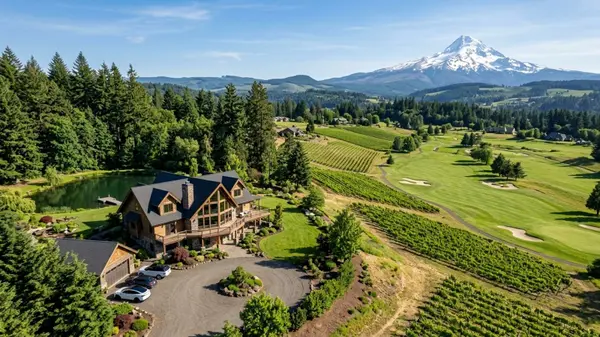
Exploring the Most Expensive Areas in Hood River County, OR
Hood River County carries some of the highest real estate premiums anywhere in the Columbia River Gorge. As of mid-2026, the countywide median sale price sits around $721,500 - and buyers looking at the high end will find a market shaped by acreage, orchard views, and access to outdoor recreation ac
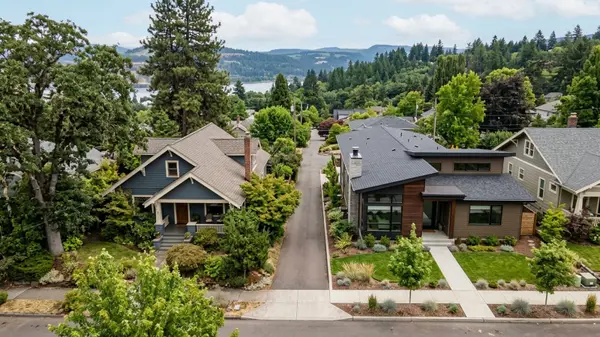
Real Estate and Living in the Eastside of Hood River County, OR
Hood River County sees median home prices hovering around $721,500, and the Eastside area reflects that broader market. What you'll find here is a mix of established neighborhoods and solid access to local trail systems, making it one of the best areas in Hood River County if you want to be close to
GET MORE INFORMATION